Existing Patients:
(201) 891-5888
New Patients:
(201) 258-3284

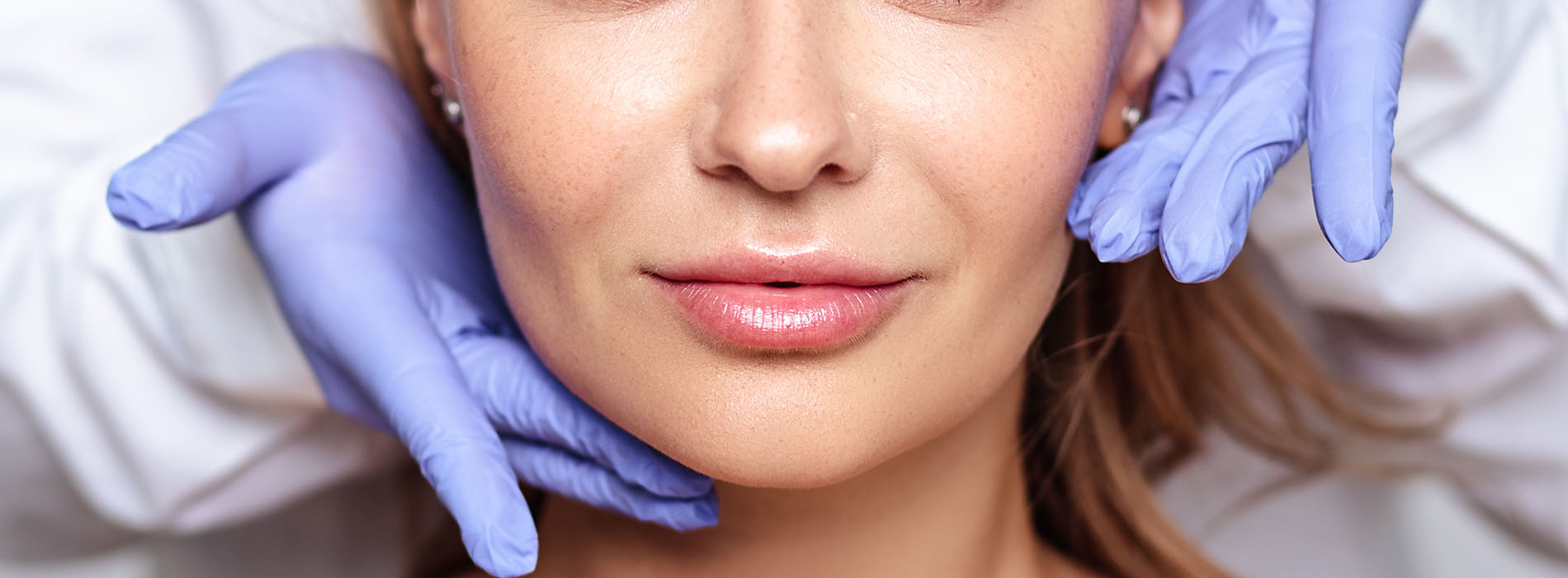
Botox® is a minimally invasive way to soften expression lines and refresh your appearance without surgery. By gently relaxing targeted facial muscles, it reduces frown lines, forehead creases, and crow’s feet for a natural, well-rested look. This page explains how Botox works, what to expect, and how it’s used at Schulman Dental Studio, Franklin Lakes.
Botox temporarily reduces muscle movement by blocking nerve signals at specific injection sites. As treated muscles relax, the skin above them smooths, making Botox especially effective for lines caused by facial expressions.
Results begin appearing within days as muscle activity decreases. Botox does not add volume or lift tissue—it refines movement to create subtle, natural improvements.
Your visit starts with a brief consultation to review your health and goals. The provider then places small, precise injections using fine needles.
Treatment usually takes 15–30 minutes with little discomfort and no downtime. Results develop over several days and last for several months.
Botox is commonly used for forehead lines, frown lines, and crow’s feet, as well as to adjust gummy smiles or relax the jawline.
It also has therapeutic uses, including relief for migraines, excessive sweating, jaw tension, teeth grinding, and TMJ-related discomfort when appropriate.
Botox is very safe when administered by trained professionals using proper technique and dosing. Temporary side effects such as mild swelling or bruising may occur.
Providers with advanced training in facial anatomy—especially dentists—are uniquely qualified to deliver precise, balanced results.
Natural results come from conservative dosing that preserves facial expression while softening lines.
Effects typically last several months, with maintenance visits tailored to your response and goals. Botox can be combined with other cosmetic or dental treatments for optimal facial balance.
Botox offers a simple, effective way to refresh your appearance and address certain muscle-related concerns. Contact us to learn whether it’s right for you.
Botox is a cosmetic injectable treatment derived from botulinum toxin type A. It is commonly used to reduce the appearance of wrinkles and fine lines by temporarily paralyzing the muscles that cause them.
Botox works by blocking signals from the nerves to the muscles, preventing them from contracting. This results in a temporary reduction in muscle activity, smoothing out wrinkles and lines on the skin.
Botox is commonly used to treat wrinkles and lines on the forehead, between the eyebrows (glabellar lines), and around the eyes (crow's feet). It can also be used to lift the eyebrows, reduce bunny lines on the nose, and soften the appearance of a gummy smile.
When administered by a trained and qualified medical professional, Botox is considered safe for most individuals. However, like any medical treatment, there are potential risks and side effects, which will be discussed during the consultation.
The effects of Botox typically last between 3 to 6 months, depending on the individual's metabolism and the treated area. To maintain the results, follow-up treatments are usually recommended.
Botox injections are minimally invasive and require no downtime. Most individuals can resume their normal activities immediately after treatment. However, it's essential to avoid rubbing or massaging the treated area for the first 24 hours.
Botox injections are generally well-tolerated and cause minimal discomfort. Some individuals may experience a slight pinching sensation or mild discomfort during the injections, but it is usually brief and tolerable.
While some individuals may begin to see improvements within a few days, the full effects of Botox usually become apparent within 1 to 2 weeks after treatment.
Common side effects of Botox injections include temporary redness, swelling, bruising, and mild pain at the injection sites. These side effects typically resolve within a few days.
Good candidates for Botox injections are generally healthy individuals who are bothered by the appearance of wrinkles and lines on their face. It is essential to discuss your medical history and aesthetic goals with a qualified provider to determine if Botox is right for you.
Yes, Botox can be combined with other cosmetic treatments such as dermal fillers, chemical peels, and laser skin resurfacing to achieve comprehensive facial rejuvenation. Your provider will customize a treatment plan based on your unique needs and goals.
The cost of Botox injections varies depending on factors such as the number of treatment areas, the amount of product used, and the expertise of the provider. During your consultation, you will receive a personalized quote based on your treatment plan.
It is generally not recommended to undergo Botox injections while pregnant or breastfeeding, as the effects on the fetus or infant are not well-studied. It's essential to discuss any concerns with your healthcare provider.
Botox injections can be safely repeated every 3 to 6 months to maintain the desired results. Your provider will recommend a treatment schedule based on your individual response to the injections and aesthetic goals.
Botox® is a purified neuromodulator that temporarily reduces muscle activity at the injection site to soften dynamic lines caused by repeated facial expressions. It works by interrupting specific nerve signals to small facial muscles so the treated area relaxes and overlying skin appears smoother. The effect is targeted and gradual, and it is intended to refine appearance rather than replace volume or lift tissues.
At the office of Schulman Dental Studio, Franklin Lakes, clinicians explain that results typically emerge over several days as muscles calm and lines diminish. Understanding this mechanism helps set realistic expectations and clarifies how Botox® complements other cosmetic or restorative treatments. Patients who seek natural-looking improvement often pair neuromodulator therapy with other procedures for balanced outcomes.
Appointments begin with a focused consultation to review medical history, current medications and aesthetic goals, and to assess facial anatomy and movement patterns. The clinician creates a tailored plan that prioritizes balance and symmetry rather than one-size-fits-all dosing. This planning stage is essential to a predictable, natural outcome.
The treatment itself is office-based and typically completed within 15 to 30 minutes depending on the areas addressed. Using micro-fine needles, the provider places small injections into specific muscles; many patients report only minor, brief discomfort. No general anesthesia is needed and most people return to normal activities the same day with only minimal downtime.
Good candidates are adults concerned primarily with dynamic lines—wrinkles that form from repeated facial movements such as frowning, squinting or raising the brows. Botox® is most effective for these expression lines and for certain functional concerns when used as part of a comprehensive plan. It is not a solution for significant skin laxity or areas that require volume restoration.
Not every patient is a candidate; certain medical conditions, pregnancy, breastfeeding and some medications can affect suitability. A candid pre-treatment review allows the clinician to identify contraindications or interactions and to recommend alternatives or referrals when appropriate. Full disclosure of medical history helps ensure safety and optimal results.
Common, usually mild side effects include temporary soreness at injection sites, minor bruising and occasional localized swelling. Less common effects can include transient drooping of nearby muscles if injections are not precisely placed, but careful technique and conservative dosing reduce this risk. Serious complications are rare when treatment is performed by trained clinicians.
Management of minor reactions focuses on reassurance and simple measures such as ice and short-term activity modification; most issues resolve within days to a couple of weeks. The clinician provides aftercare instructions and schedules follow-up to address any concerns. Patients are instructed to report unexpected or persistent symptoms so appropriate evaluation can occur.
In dental and orofacial care, Botox® can be used as part of a multimodal strategy to reduce excessive muscle activity that contributes to bruxism (teeth grinding) and jaw tension. By relaxing hyperactive muscles, injections may decrease clenching force and associated discomfort, which can complement occlusal appliances and physical therapy. This approach targets muscle-related symptoms rather than dental restorations themselves.
Selection for such therapy requires a thorough evaluation to determine the dominant contributors to a patient’s symptoms and to rule out other causes. When appropriate, the clinician integrates neuromodulator treatment with splints, behavior modification and other conservative measures to improve comfort and function. Ongoing monitoring ensures that therapeutic goals are met without compromising oral health.
Results vary by individual but commonly last several months before muscle activity gradually returns to pre-treatment levels. Initial softening usually appears within 3–10 days, with peak effect reached a few weeks after treatment. Duration depends on factors such as metabolism, activity level and the specific muscles treated.
Maintenance visits are scheduled based on each patient’s response and aesthetic objectives, and clinicians often take a conservative approach to adjust intervals and doses. Over time some patients find they can extend the interval between treatments as muscles adapt. The clinician will recommend a personalized follow-up plan to sustain natural-looking results.
Avoiding a frozen look starts with conservative dosing, precise injection placement and a tailored plan that respects each patient’s unique facial anatomy and expression patterns. Providers aim to preserve natural movement while softening unwanted lines, and they prioritize incremental changes over dramatic alteration. Clear communication about goals and acceptable movement is part of the planning process.
Experienced clinicians monitor responses and make adjustments at follow-up visits so results remain subtle and balanced. When combined with other treatments, thoughtful sequencing and restraint help maintain facial harmony. Patients are encouraged to discuss preferences for movement and expressiveness so outcomes align with their expectations.
Providers should have formal training in facial anatomy, injection technique and the clinical use of neuromodulators, along with appropriate licensing and continuing education in these areas. Dentists bring specific expertise in orofacial structures and bite dynamics, which can be advantageous when integrating Botox® with dental care. Patients should ask about a clinician’s training and experience with neuromodulator therapy.
Dentists at Schulman Dental Studio, Franklin Lakes and similar practices typically complete targeted coursework and maintain competence through ongoing education. A qualified provider also conducts a thorough medical review, documents treatment plans and provides clear aftercare instructions to promote safety. When complex medical issues arise, prompt referral or collaboration with a medical specialist helps ensure coordinated care.
Yes. Botox® is frequently integrated with complementary treatments such as dermal fillers, veneers, whitening and orthodontic care to achieve a harmonious overall result. Combining modalities allows clinicians to address both movement-related lines and volume or structural concerns for balanced facial aesthetics. Thoughtful planning determines the optimal timing and sequencing of these interventions.
Coordination between cosmetic and dental procedures helps maintain function while enhancing appearance, and the clinician designs a plan that minimizes interference between therapies. Patients benefit from a comprehensive approach that considers long-term maintenance, oral health and realistic aesthetic goals. The practice discusses combined treatment pathways during the consultation phase.
Before treatment, patients should provide a complete medical history, arrive with clean skin and follow any personalized instructions the clinician provides. General recommendations often include avoiding vigorous exercise and avoiding manipulation of the treatment area for a short period after injections to reduce the chance of spread. Your clinician will also review any medications or supplements that may affect treatment safety.
After treatment, common guidance includes avoiding rubbing or massaging the injection sites, limiting heavy exercise for 24 hours and following any specific aftercare instructions provided by the clinician. Applying gentle ice can reduce brief soreness or swelling, and follow-up appointments allow the provider to assess results and make adjustments if needed. Contact the office promptly if you experience unexpected or persistent symptoms.