Existing Patients:
(201) 891-5888
New Patients:
(201) 258-3284

Daily brushing and flossing are essential, but professional cleanings remove the plaque and tartar you can’t reach at home. At Schulman Dental Studio, Franklin Lakes, cleanings are a key part of protecting your smile, preventing disease, and supporting long-term oral health.
Plaque hardens into tartar over time, and once it forms, it can only be removed professionally. If left in place, it contributes to gum disease, decay, and chronic inflammation.
Routine cleanings also allow us to spot early changes in your gums, teeth, and bite so problems can be addressed before they become more serious.
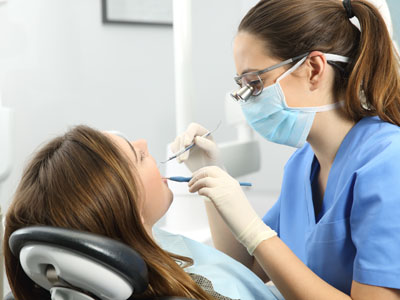
Your visit begins with an exam of your teeth and gums, followed by removal of plaque and tartar from above and below the gumline.
Teeth are then polished to remove stains and smooth the enamel, making it harder for plaque to build up again. You’ll also receive personalized home-care guidance.
We use ultrasonic scalers and fine hand instruments to clean efficiently and gently, even around restorations and tight spaces.
For sensitive patients, numbing options and comfort measures are available. Fluoride or antimicrobial treatments may also be added to strengthen and protect your teeth.
Cleanings work alongside regular exams and imaging to keep your mouth healthy. Most patients do well with twice-yearly visits, while others may need more frequent care based on gum health and buildup.
We help you build simple, effective habits so the benefits of each visit last between appointments.
If signs of gum disease or heavy buildup are found, deeper periodontal treatment may be recommended to restore tissue health.
We always explain findings and next steps clearly so you understand how your care supports long-term results.
Professional cleanings are one of the easiest ways to protect your smile and overall health. To schedule your next visit, contact Schulman Dental Studio, Franklin Lakes today.
A professional dental cleaning is a thorough removal of plaque, tartar and surface stains from your teeth performed by a licensed dental hygienist or dentist. It combines a visual examination, scaling with ultrasonic and hand instruments, and polishing to leave enamel smooth and clean. Cleanings also include an assessment of soft tissues, restorations and areas that are difficult to clean at home.
At Schulman Dental Studio, Franklin Lakes we treat cleanings as a proactive preventive service that supports long-term oral health. Rather than a simple polish, they form part of a personalized maintenance plan tailored to your risk factors and dental history. Hygienists provide instruction on brushing and interdental cleaning to help you maintain results between appointments.
Regular cleanings remove mineralized tartar and bacterial biofilm that cannot be eliminated by home care, reducing inflammation in the gums. Left unchecked, these deposits contribute to gingivitis and periodontitis, which can lead to tooth loss and other oral complications. Controlling oral inflammation also helps lower the bacterial and inflammatory burden that is associated with systemic conditions such as cardiovascular strain and poor glycemic control.
Professional care also allows for early detection of decay, faulty restorations, and oral lesions so problems can be treated conservatively. Addressing issues early preserves more tooth structure and reduces the need for extensive procedures. Cleanings combined with patient education create sustainable habits that support general health beyond the mouth.
A typical visit starts with a review of your medical and dental history and an examination of the teeth, gums and oral soft tissues. This evaluation guides the hygienist on areas that need special attention and whether additional diagnostic imaging is warranted. The hygienist then uses ultrasonic scalers and hand instruments to remove plaque and tartar above and below the gumline.
After debridement the teeth are polished to remove surface stains and the enamel is smoothed to deter future plaque buildup. The appointment typically ends with personalized oral hygiene coaching, including recommended brushing techniques and interdental cleaning methods. When indicated, topical fluoride or antimicrobial rinses are applied to strengthen enamel and reduce inflammation between visits.
Most patients experience little to no pain during routine cleanings, although sensations vary depending on sensitivity and the amount of buildup. Ultrasonic instruments produce vibration and a water spray rather than pain, while careful use of hand scalers provides precise removal of stubborn deposits. Open communication with your hygienist helps them adjust technique and take breaks if you feel discomfort.
For patients with sensitivity or anxiety, topical desensitizing agents or local anesthetic can be used for targeted comfort. The practice of calming amenities and a team approach also helps minimize stress during the visit. If you have a strong gag reflex or severe dental anxiety, discuss options with the team before your appointment so appropriate measures can be arranged.
For many people, twice-yearly cleanings are sufficient to control plaque and tartar while allowing clinicians to monitor oral health. Individual needs vary based on factors such as a history of periodontal disease, tobacco use, diabetes, and heavy calculus formation. After a clinical assessment, your dental team will recommend a personalized recall interval to best protect your oral health.
At Schulman Dental Studio, Franklin Lakes we determine frequency by measuring gum pocket depths, evaluating restorative margins and reviewing medical history to create a tailored maintenance plan. Patients at higher risk may benefit from three- or four-month recalls, while others do well with six-month visits. Regular follow-up and open communication ensure intervals are adjusted if circumstances change.
Professional cleanings remove the hard deposits and bacterial biofilm that drive gum inflammation and tooth decay, significantly lowering the risk of disease progression. When paired with effective at-home care and regular exams, cleanings are a cornerstone of prevention that can halt or reverse early gum disease. They also reduce sites where decay can begin by minimizing plaque retention around restorations and tight contacts.
For patients with established periodontal disease, more intensive therapy may be necessary to control infection before routine maintenance becomes effective. After active treatment, maintenance cleanings help stabilize tissue health and prevent recurrence. Your care team will explain the role of each phase and how professional cleanings fit into a broader treatment plan.
Modern cleanings use a combination of ultrasonic scalers, hand instruments and polishing devices to remove deposits safely and efficiently. Ultrasonic scalers use gentle vibrations and a cooling water spray to dislodge calculus quickly, while hand instruments allow precision around tight contacts and restorations. Polishing removes surface stains and smooths enamel to make plaque less likely to attach.
Clinicians select instruments and techniques based on the patient’s oral condition, sensitivity and the presence of restorative work. Adjunctive therapies such as topical fluoride, antimicrobial rinses or localized desensitizing agents can be incorporated when clinically indicated. This individualized approach balances effectiveness with preservation of healthy tooth structure and patient comfort.
Patients with periodontal disease, heavy calculus buildup, certain systemic conditions or dental implants often require more frequent or specialized cleanings. Periodontal maintenance involves deeper cleaning below the gumline to control bacterial colonies and prevent further tissue breakdown. Implant maintenance is tailored to protect peri-implant tissues and involves careful instrument selection to avoid damaging implant surfaces.
Those with medical conditions that affect healing, such as diabetes or immunosuppression, may need closer monitoring and more frequent visits to prevent oral complications. Your dental team will explain why a modified schedule or adjunctive treatments are recommended and what to expect from specialized care. The goal is to create a sustainable maintenance plan that preserves oral health and function over time.
There is usually little special preparation required for a routine cleaning beyond arriving with questions and an up-to-date medical history. Bring a list of medications, recent changes in your health and any concerns about sensitivity or bleeding you’ve noticed. If you have complex dental work or a history of periodontal treatment, notify the team so they can allocate appropriate time.
Brush and floss before your appointment to make the visit more efficient and comfortable, but avoid using whitening products immediately before a cleaning. If you experience dental anxiety, consider discussing available comfort options ahead of time so the team can make accommodations. Good communication helps ensure your appointment is safe, focused and effective.
After a cleaning you may experience temporary tooth sensitivity or mild gum tenderness, especially if significant tartar was removed. These sensations typically subside within a day or two and can be managed with desensitizing toothpaste and gentle home care. If local anesthetic was used, avoid eating until sensation returns to prevent biting soft tissues.
Your clinician will review findings, recommend any follow-up care and outline a tailored home care routine to maintain results. They may also suggest specific interdental tools or topical products to address areas of concern. If additional treatment is needed, the team will explain next steps and coordinate a plan that fits your needs.