Existing Patients:
(201) 891-5888
New Patients:
(201) 258-3284

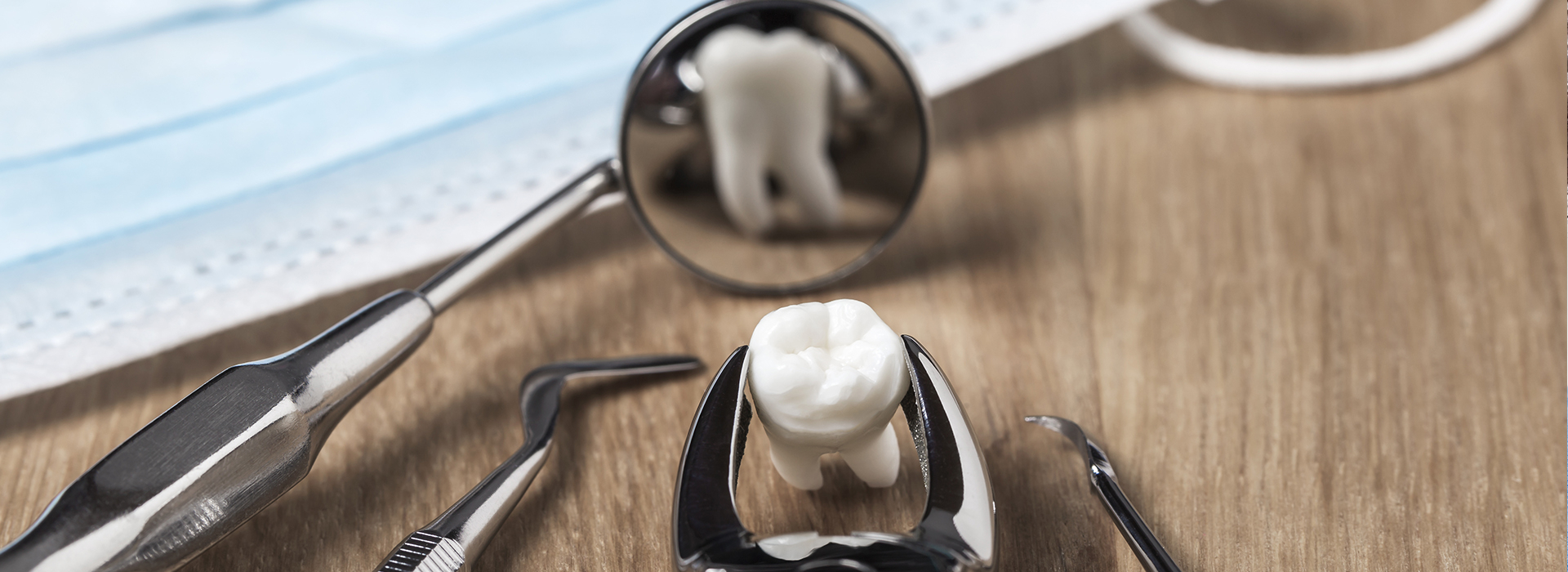
At Schulman Dental Studio, Franklin Lakes, we make extractions as clear and comfortable as possible. We review your symptoms, medical history, and concerns, explain why removal is recommended, and walk you through what to expect before, during, and after treatment.
Some extractions are quick and straightforward, while others require surgical techniques or specialist coordination. We use modern imaging, careful planning, and comfort options to keep care safe and predictable.
Over-retained baby teeth
Removed when they block proper eruption or alignment of permanent teeth.
Extensive decay or non-restorable teeth
When a tooth can’t be predictably rebuilt, removal may prevent infection and protect nearby teeth.
Severe fractures or cracks
If damage extends below the gumline or compromises the root, extraction may be the safest option.
Advanced gum disease
Teeth with significant bone loss and mobility may need removal to control infection and preserve other teeth.
Problematic wisdom teeth
Often removed when impacted, painful, decay-prone, or threatening alignment.
Orthodontic or restorative planning
Sometimes removal is recommended to create space or achieve a healthier, more stable bite.
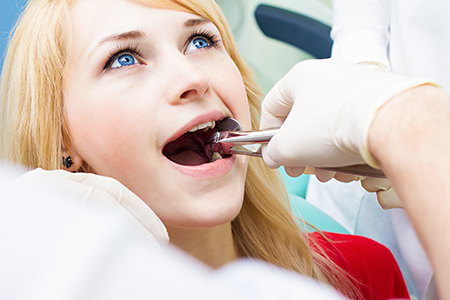
We start with an exam and digital imaging to evaluate roots, bone, and nearby anatomy. We also review medications and medical conditions that may affect healing.
Treatment includes local anesthesia, with sedation options available when appropriate. Our goal is efficient removal with minimal tissue trauma, followed by clear aftercare instructions and follow-up when needed.
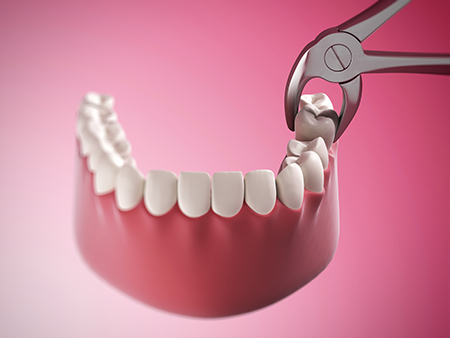
For visible teeth with straightforward roots, the tooth is gently loosened and removed. Most patients experience mild soreness that improves quickly.
For impacted, broken, or difficult teeth, a surgical approach may be needed, sometimes involving a small incision or sectioning. If required, we coordinate care with a trusted specialist.
Healing depends on protecting the clot, controlling swelling, and keeping the area clean. The first 24–48 hours are the most important for preventing complications like dry socket.
Use gauze as directed
Maintain steady pressure to help a clot form and reduce bleeding.
Protect numb tissues
Avoid chewing until sensation returns to prevent accidental bites.
Take medications correctly
Antibiotics: Finish the full course if prescribed.
Pain relief: Take as directed—starting before numbness wears off can help.
Don’t disturb the clot
Avoid straws, forceful spitting, and vigorous rinsing for 1–2 days.
Reduce swelling
Use an ice pack in short intervals during the first 24 hours.
Avoid tobacco
Smoking/vaping slows healing—avoid for at least a week if possible.
Eat soft foods
Choose cool or lukewarm, gentle foods and stay hydrated.
Resume hygiene carefully
Brush other teeth gently; begin saltwater rinses after 24 hours if advised.
Keep follow-ups
Attend visits for stitches, healing checks, or bite planning.
Call us if you have heavy bleeding, worsening pain after a few days, swelling that increases, or signs of infection.
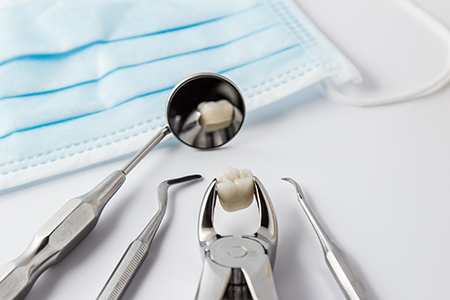
If a tooth should be replaced, we’ll review options such as dentures, bridges, or implants based on bone support, adjacent teeth, and your goals. We’ll also discuss timing so healing stays on track while restoring function.
We combine careful diagnosis, modern imaging, and comfort-first techniques to deliver predictable outcomes. When specialist care is needed, we coordinate closely to ensure continuity.
If you have questions about an extraction or want to discuss options, contact Schulman Dental Studio, Franklin Lakes to schedule a consultation.
The most common reasons for tooth loss include advanced periodontal disease, extensive tooth decay, and facial trauma. According to statistics, gum disease is responsible for close to 70% of tooth loss in adults. Although less frequent than the preceding three reasons, it should also be noted that specific diseases, drugs, smoking, and poor nutrition contribute to the risk of tooth loss.
The Centers for Disease Control and Prevention report that in the United States, an average of 12 teeth (including the wisdom teeth) are lost by the age of 50. Also, 26% of adults between 65 and 74 years of age have lost all their teeth.
Every patient and every situation is different. However, when a tooth and the surrounding tissues are numbed with a local anesthetic, you should only expect to feel a bit of pressure, but no pain as the tooth is being loosened from the surrounding tissues and extracted. For patients who are apprehensive and for some surgical extractions, our office will discuss our options in dental sedation to provide further relaxation and reduce any sense of discomfort.
While it's normal to feel some tenderness and swelling following an extraction, the degree of these sensations can vary. It mostly depends on the complexity of the extraction and the body's response to the procedure. We'll recommend or prescribe the appropriate pain medication to help ensure your comfort and give you specific instructions for maximum effectiveness and safety.
Typically, the recovery period following a simple extraction is shorter than a surgical extraction. However, a patient's overall health, habits, the size and location of the tooth, and other variables can influence recovery and healing. To speed up the recovery and avoid any complications, patients must follow the given at-home instructions diligently. We'll carefully review what to expect following your procedure and go over your post-op instructions.
Smoking interferes with blood clot formation, which is an essential first step in the healing process. Blood clot formation not only provides a protective layer to cover the underlying exposed bone and nerve endings, but it also supports the growth of new tissue. Cigarette smoke also contains chemical toxins that can disrupt the healing process and lead to problems such as continued inflammation, infection, or dry socket.
In a very small percentage of cases, a condition known as dry socket can develop in the aftermath of a dental extraction. This painful condition can arise when the blood clot in the extraction site doesn't form properly or gets dislodged. With dry socket, you may experience throbbing pain and symptoms such as bad breath and an unpleasant taste in your mouth. As skilled providers of care, our office will provide immediate treatment to alleviate your discomfort and promote healing.
The last teeth in your mouth to develop, wisdom teeth often do not have enough room to fully erupt or may be positioned in the wrong direction. These issues can affect your dental health as well as overall wellbeing. While some individuals never develop all their wisdom teeth, and a few have sufficient space for them, there are many people with partially or fully impacted third molars. Our office will monitor the development, position, and health of your wisdom teeth and will advise you if and when extractions are indicated.
After a tooth is removed, bone-grafting material is sometimes placed in the socket to promote healing and encourage new bone development. This procedure is often performed to support the eventual and successful placement of a dental implant.
At the office of Schulman Dental Studio, Franklin Lakes, we strive to make dental care affordable and accessible. Depending on the type or complexity of the extraction and other variables, the cost of the procedure can vary. Based on our diagnostic findings, our office will inform you of the healthiest choices in care, explain the fees, discuss insurance coverage, and explain your payment options.
Many dental plans offer some level of coverage for tooth extractions. We'll advise you if your plan covers the full cost of the procedure and if there is any out-of-pocket expense. Our business office will work with you to maximize your insurance benefits as much as possible while helping you minimize any out-of-pocket expenses.
A tooth extraction is the removal of a tooth from its socket when conservative treatment is no longer appropriate. Extractions are recommended for reasons such as severe decay that cannot be restored, advanced periodontal disease with significant bone loss, nonrestorable fractures, impacted third molars or retained primary teeth that interfere with eruption. Your dental team will review alternatives when possible and explain why removal is the most responsible choice for protecting overall oral health.
Each extraction begins with a focused clinical exam and appropriate imaging to evaluate root shape, proximity to nerves or sinuses, and the condition of surrounding tissues. This assessment helps determine whether a simple or surgical approach is needed and informs anesthesia and aftercare planning. Clear preoperative communication reduces surprises and helps you arrive prepared for the procedure.
Determining restorability involves assessing the extent of decay, the amount of remaining tooth structure, root integrity and the health of the supporting bone and gums. Endodontic treatment, crowns or other restorations can often preserve teeth, but when the remaining structure cannot reliably support long-term function or infection persists despite treatment, extraction becomes the safer option. We also consider how the tooth affects adjacent teeth, bite alignment and overall treatment goals.
Diagnostic tools such as digital radiographs and CBCT scans provide detailed information about root anatomy and nearby anatomical landmarks, which is essential for treatment planning. A comprehensive medical history and medication review are included because systemic conditions and blood thinners can influence whether a tooth should be removed in the office or managed in coordination with your physician. When care is complex, we collaborate with specialists to ensure the best outcome.
We offer a range of anesthesia and sedation options to promote comfort and reduce anxiety during extractions, from local anesthesia that numbs the specific area to nitrous oxide for mild relaxation. For patients who require deeper sedation or have significant dental fear, oral sedatives, IV sedation or in-office general anesthesia may be appropriate depending on the procedure and medical profile. Choice of technique is made after a thorough medical review and discussion of risks, benefits and recovery expectations.
Monitoring and safety are priorities for any sedated procedure; vital signs are tracked and recovery is supervised until you meet discharge criteria. If you plan to receive moderate or deep sedation, you may need to fast beforehand and arrange for a responsible adult to drive you home. We provide clear preoperative instructions to help you prepare and stay safe.
A simple extraction involves the removal of a tooth that is visible in the mouth and has a straightforward root anatomy; the tooth is loosened with elevators and removed with forceps after adequate local anesthesia. These procedures are generally quick and cause minimal trauma to surrounding tissues, though some soreness and swelling can be expected. Even with simple extractions, we take steps to control bleeding and protect the socket to support healing.
Surgical extractions are required when a tooth is broken at the gum line, impacted, ankylosed, or otherwise inaccessible with forceps alone and may involve a small incision, removal of some bone or sectioning of the tooth. Because surgical cases are more complex, additional planning, postoperative instructions and sometimes a referral to an oral surgeon are part of the care pathway. We will explain the approach, anticipated recovery and any specific precautions before proceeding.
Preparation begins with a complete medical and medication history so we can identify conditions or drugs that affect bleeding and healing, such as blood thinners or certain medical disorders. If necessary, we will coordinate with your physician about medication management and provide specific preoperative instructions based on the type of anesthesia or sedation planned. Follow directions about fasting when applicable and disclose any health changes before your appointment.
Arrange transportation if you will receive moderate or deep sedation and plan to rest for the remainder of the day after the procedure. Wear comfortable clothing and avoid heavy meals, alcohol or tobacco before your visit as instructed. Bringing a list of current medications and any recent imaging or records helps the team streamline care and reduce delays on the day of treatment.
Recovery focuses on protecting the blood clot that forms in the socket, managing discomfort and preventing infection; the first 24 to 48 hours are the most important for following postoperative instructions. You can expect some swelling, mild bleeding or oozing, and a degree of soreness that typically responds well to recommended pain control measures and cold therapy. Rest, soft foods and careful oral hygiene outside the surgical site will support healing during the early phase.
As healing progresses, you should notice gradual reduction in pain and swelling and the socket beginning to fill in with gum tissue over several weeks. If stitches were placed, we will advise on when they will be removed or whether they are dissolvable. Keep follow-up appointments so we can confirm appropriate healing and discuss tooth-replacement options if needed.
Contact the office promptly if you experience heavy or uncontrolled bleeding, a fever or chills, increasing pain after the first few days, or a foul taste or odor that may indicate infection. Numbness that persists beyond the expected timeframe, new facial swelling that worsens rather than improves, or difficulty breathing or swallowing are urgent symptoms that require immediate evaluation. Early communication allows our team to address complications before they become more serious.
If you develop unusual symptoms, we can often manage problems such as dry socket, infection or prolonged bleeding with in-office care, prescription medications or a short course of follow-up. Keep a record of how your symptoms change day to day and report specific concerns so we can recommend the appropriate next steps. Do not delay contacting us if you are uncertain about any postoperative changes.
Replacing a missing tooth restores chewing function, supports adjacent teeth and helps maintain facial structure; the timing and method depend on your overall health, the condition of the extraction site and your restorative goals. Options commonly include removable partial dentures, fixed bridges and dental implants, each with advantages related to durability, ease of care and preservation of surrounding teeth. Your clinician will discuss immediate, early or delayed replacement strategies based on bone quality and the need for grafting.
For dental implants, advanced imaging such as CBCT is used to assess bone volume and position and to plan optimal implant placement. In some cases bone grafting or ridge preservation at the time of extraction helps create a better foundation for later implant treatment. We will coordinate restorative planning with timing that balances safe healing and a predictable long-term outcome.
To protect the clot and lower the risk of dry socket, avoid vigorous rinsing, spitting, using straws and tobacco products for at least a week after extraction. Follow medication directions carefully, start an analgesic before anesthesia wears off when recommended, and use cold packs intermittently during the first 24 hours to minimize swelling. Maintaining soft, gentle nutrition and resting during the first 48 hours also supports a smoother recovery.
After the initial 24 hours, gentle saltwater rinses can keep the area clean without disturbing healing tissues, and careful brushing of adjacent teeth helps prevent debris accumulation. If you suspect dry socket—characterized by increasing pain several days after extraction and exposed bone—contact the office promptly so we can apply medicated dressings and provide targeted pain management. Prompt treatment usually brings rapid relief and promotes healing.
Our team combines clinical experience with modern diagnostic tools and a full range of anesthesia and sedation options to deliver predictable, comfortable care tailored to each patient. We use digital imaging and CBCT when indicated to plan extractions precisely and coordinate with trusted oral surgeons for complex surgical cases to ensure continuity and safety. Emphasis on clear communication means you will receive straightforward explanations of the reasons for extraction, alternatives when available, and step-by-step aftercare guidance.
Schulman Dental Studio, Franklin Lakes places a high priority on patient comfort and evidence-based protocols to minimize risk and support optimal healing. From preoperative evaluation through follow-up and restorative planning, our goal is to preserve oral health and restore function while keeping you informed and comfortable throughout the process. If you have questions about a specific situation, we encourage you to contact the office so we can discuss personalized recommendations.