Existing Patients:
(201) 891-5888
New Patients:
(201) 258-3284

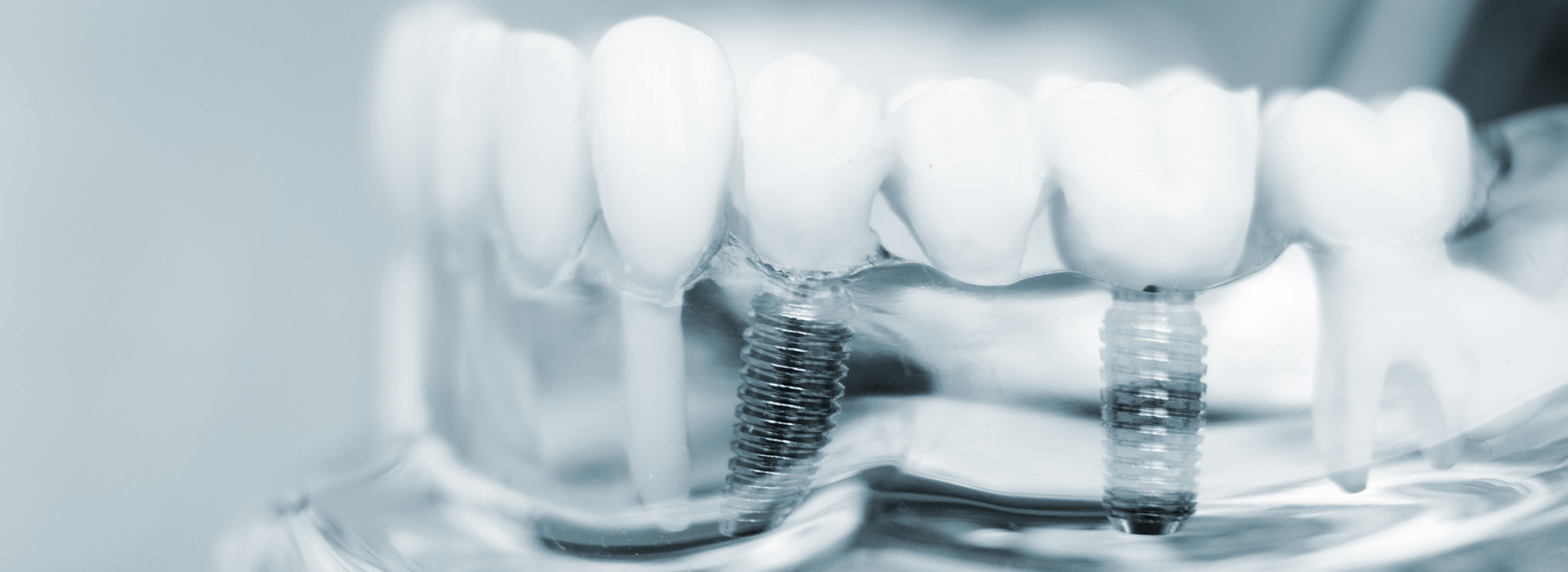
Dental implants are one of the most reliable ways to replace missing teeth and restore natural chewing, speech, and appearance. At Schulman Dental Studio, Franklin Lakes, we focus on implant solutions designed for long-term stability, comfort, and lifelike results.
Implants act like natural tooth roots, anchoring crowns, bridges, or full-arch restorations securely in the jaw to preserve bone and maintain facial structure.
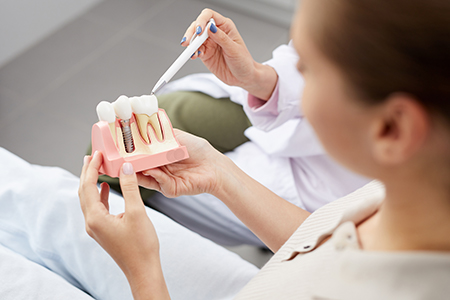
Implants are placed in the jawbone to support replacement teeth and transmit chewing forces into the bone, helping prevent bone loss and tooth shifting.
They eliminate many of the issues of removable dentures, such as slipping, weak bite, and the need for adhesives.
Each implant includes a post, connector, and custom restoration. After placement, the implant fuses with the bone through a process called osseointegration, creating a strong, lasting foundation.
Implants restore strong chewing ability, preserve bone, and provide a stable, natural-looking solution for missing teeth.
Implants can replace a single tooth, multiple teeth, or an entire arch using custom restorations designed around your smile and bone structure.
Treatment begins with exams and 3D imaging to evaluate bone and plan implant placement. If needed, bone grafting may be performed to create a stable foundation.
Implants are placed with local anesthesia and optional sedation. After healing, custom restorations are attached and adjusted for comfort, bite, and appearance.
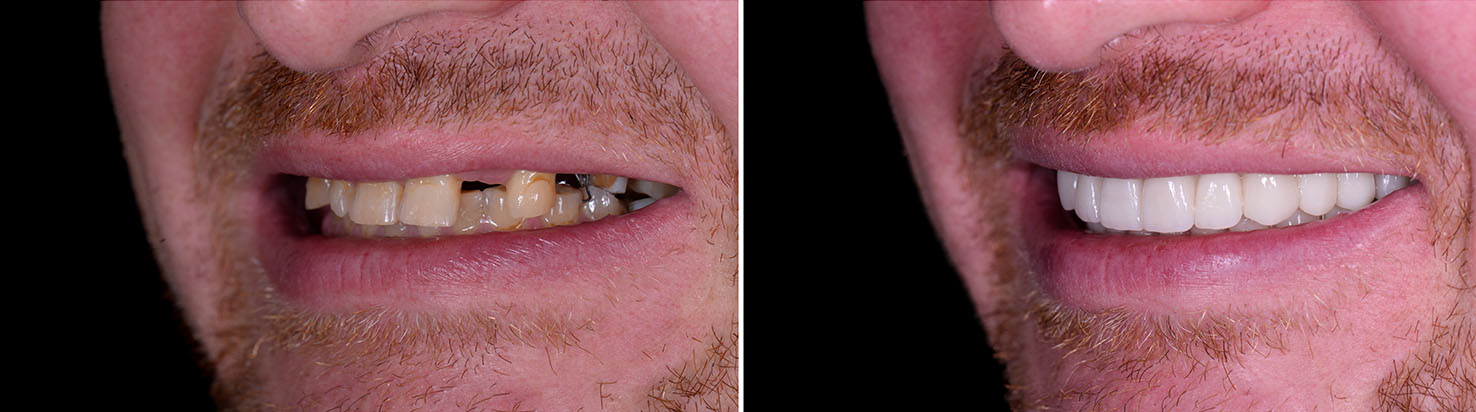
With proper hygiene and routine dental care, implants can last for many years. We guide you through every step—from planning to maintenance—to ensure predictable, lasting results.
To learn if implants are right for you, contact Schulman Dental Studio, Franklin Lakes to schedule a consultation.
If you've lost a tooth due to injury, decay, gum disease, or any other reason, we recommend dental implants to replace missing teeth. Dental implants come the closest to replicating the look, feel, and function of your natural teeth.
Dental implants are placed into the jawbone and mirror the same function as the root of a tooth. The procedure for dental implants is usually performed while a patient is sedated. Patients who undergo IV sedation must have an empty stomach and transportation home following the procedure. Most sedation patients will have little to no memory of the procedure occurring.
Generally, dental implants are made out of a biocompatible metal such as titanium. Biocompatible metals are also used for other common bone implants (such as shoulder, hip, and knee replacements). The visible portion of the implant is usually made out of porcelain and is custom-made to match your existing teeth.
Dental implants are designed to fuse to the bone, which makes them become permanent fixtures. Typically speaking, the success rate is nearly 100%. There are few cases in which the implant will not fuse as intended and must be removed. If this happens to occur, the procedure can be attempted again a few months later.
Dental implants are not usually covered by dental insurance, but may be covered under a patient's medical insurance. Our office and your insurance company can discuss coverage options with you based on your individual case and treatment plan.
It's easy... just take care of an implant as if it's a natural tooth! This involves regular brushing, flossing, and dental checkups. If you have any concerns about your implant, contact us immediately.
Dental implants are small biocompatible posts that are placed into the jawbone to replace missing tooth roots and support replacement teeth. They provide a stable foundation for crowns, bridges, or full-arch prostheses by integrating with surrounding bone through a process called osseointegration. Once integrated, implants transmit chewing forces into the jaw, which helps preserve bone volume and facial support.
Implant restorations are designed to look and function like natural teeth, combining a structural post, a connector called an abutment, and a crown or prosthesis. This configuration eliminates many of the common limitations of removable options, such as slipping or reduced bite strength. With proper planning and maintenance, implants can serve as a durable long-term solution for tooth replacement.
An implant functions like a natural tooth root by anchoring the prosthetic tooth beneath the gum line and transferring functional forces into the bone. This root-like support stabilizes the restoration during chewing and speaking, reduces movement, and helps maintain occlusion and adjacent tooth position. By stimulating the jawbone, implants also slow the bone resorption that commonly follows tooth loss.
The preservation of bone and soft tissue contours contributes to both long-term function and natural appearance. Because implants do not rely on neighboring teeth for support, healthy adjacent teeth can be preserved rather than being altered to carry a bridge. The result is a restoration strategy that prioritizes tissue health, comfort, and predictable esthetics.
Candidates for dental implants are typically patients with good overall health, healthy gums, and sufficient jawbone to support implant placement or a plan to augment deficient bone. Factors such as smoking, uncontrolled systemic conditions like diabetes, and certain medications can influence healing and candidacy, so a comprehensive medical and dental review is necessary. A thorough evaluation including three-dimensional imaging is used to determine bone volume, nerve and sinus anatomy, and the best implant positions.
Age alone is not usually a limiting factor, and many adults who previously thought they were not candidates can proceed after appropriate preparatory procedures. When bone or soft-tissue needs exist, staged treatment plans such as grafting or soft-tissue augmentation are discussed to create a predictable foundation. Shared decision-making ensures the recommended approach aligns with each patient’s health status and treatment goals.
An implant restoration commonly consists of three core components: the implant body (the post placed in bone), the abutment (a connector that links the implant to the visible restoration), and the prosthesis (a crown, bridge, or denture). Implant bodies are often made from titanium or ceramic materials chosen for strength and biocompatibility, while abutments and prostheses are designed for precise fit and esthetics. Each component is selected to support predictable function and to match the patient’s anatomic and cosmetic needs.
Advanced materials and digital workflows allow clinicians to design restorations that replicate tooth shape, color, and translucency for seamless integration with surrounding dentition. The connection between components is engineered to minimize micro-movement and bacterial ingress, which supports long-term tissue health. Proper component selection and precise laboratory work are essential to achieving a durable, natural-feeling result.
The implant process begins with a consultation that includes a clinical exam, medical history review, and imaging such as cone-beam CT to evaluate bone and vital structures. Treatment planning identifies ideal implant positions, the need for grafting or extractions, and whether temporary restorations are appropriate during healing. Surgical placement is usually performed as an outpatient procedure with local anesthesia and optional sedation based on the patient’s comfort needs.
After placement, a healing period allows osseointegration to occur before the final prosthesis is attached, although some workflows permit immediate temporaries in appropriate cases. Follow-up visits and imaging confirm integration and tissue health prior to final restoration. Long-term success depends on good oral hygiene, routine professional maintenance, and adherence to post-operative guidance.
Bone grafting or sinus lift procedures are considered when there is insufficient bone volume or density to provide stable implant placement. Bone loss can follow tooth extraction, infection, or prolonged tooth absence, and grafting rebuilds the ridge to create a predictable foundation. Grafts may use the patient’s own bone, donor material, or synthetic substitutes depending on the clinical situation and the defect size.
Sinus elevation is performed when implants are planned in the upper posterior jaw and the maxillary sinus occupies bone needed for secure fixture placement. These procedures are common and routinely performed with careful planning and imaging. Healing times vary by procedure, and the clinical team will outline realistic timelines, follow-up imaging checkpoints, and oral hygiene measures to support predictable outcomes.
Dental implant treatment is generally predictable, but like any surgical procedure it carries potential risks such as infection, delayed healing, implant failure, and damage to adjacent structures like nerves or the sinus. Early identification and management of complications through imaging, antibiotics, or revision procedures help protect outcomes. Patient factors such as smoking, poor oral hygiene, and uncontrolled medical conditions can increase the likelihood of complications and are addressed during treatment planning.
Long-term complications can include peri-implant mucositis and peri-implantitis, which are inflammatory conditions affecting the tissues around an implant if plaque control is inadequate. Regular professional maintenance, careful home care, and prompt attention to symptoms such as persistent discomfort or swelling are critical to early intervention. Coordination with specialists is used when complex complications require surgical or restorative revision.
Implant-supported restorations often preserve adjacent natural teeth because they do not rely on neighboring tooth structure for support, unlike traditional bridges that require preparation of healthy teeth. Implants also typically restore higher chewing efficiency and greater stability compared with conventional removable dentures, which can slip or require adhesives. By transmitting functional forces to the bone, implants help maintain jawbone volume and facial contours that can be lost with removable replacements.
That said, implant solutions are customized to each patient’s needs and may include fixed or removable prostheses depending on anatomy and preferences. The choice between implants, bridges, and dentures involves balancing surgical, restorative, and maintenance considerations, and a careful assessment ensures the selected option meets both functional and aesthetic objectives. Collaborative planning with specialists and laboratory partners supports outcomes that integrate seamlessly with remaining dentition.
Once an implant restoration is in place, disciplined daily oral hygiene and routine professional care are essential to long-term success. Patients should clean around implant crowns and prostheses with effective brushing and interdental aids such as floss or interdental brushes, and attend regular checkups for examinations and targeted cleanings. Professional reviews include clinical assessment and periodic imaging to monitor bone levels and soft-tissue health.
Patients with parafunctional habits, such as bruxism, may be advised to wear a protective nightguard to limit excessive forces on implants and restorations. Smoking cessation and management of systemic health also contribute to implant longevity. Clear maintenance protocols and prompt reporting of any changes — such as looseness, discomfort, or gum inflammation — help the clinical team intervene early and protect the investment in oral health.
At a consultation patients can expect a thorough clinical exam, a review of their medical and dental history, and three-dimensional imaging such as cone-beam CT when indicated to evaluate bone volume and anatomic landmarks. The team discusses goals, explains the clinical rationale for implant therapy, and reviews options that may include grafting, different restorative designs, and sedation choices to enhance comfort. Digital tools like intra-oral scanning and coordinated laboratory planning are used to visualize outcomes and improve accuracy.
After gathering diagnostic information the clinician presents a personalized treatment plan that outlines recommended surgical steps, restorative choices, and estimated timelines for healing and final restoration. Collaboration with oral surgeons, periodontists, or prosthodontists is arranged when complex surgical or restorative needs arise. If you have questions about the process or want to explore whether implants are right for you, the office staff can help arrange an evaluation and answer practical next steps.