Invisalign® for Teens
Existing Patients:
(201) 891-5888
New Patients:
(201) 258-3284

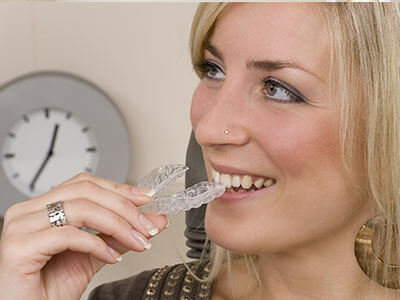

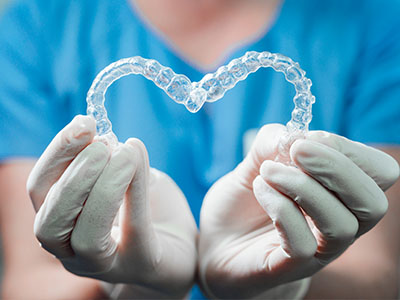
Invisalign® is a modern orthodontic option that blends clinical precision with everyday convenience. Using nearly invisible, custom-made aligners, the system shifts teeth gradually and predictably with minimal disruption to how you eat, speak, and care for your smile. For people who want reliable results without the aesthetic trade-offs of traditional braces, Invisalign® offers a compelling alternative.
Invisalign® for Teens

Invisalign® for Brides

Invisalign® for Travelers
Before & After Photos
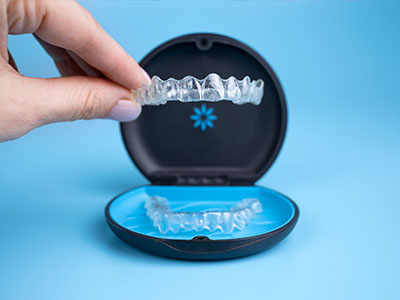
Invisalign® Videos
FAQs
Invisalign® vs Braces
Invisalign® vs Direct-To-Consumer Aligners
Is Invisalign Right For Me?

Invisalign Costs
At its core, the Invisalign® system uses a sequence of clear thermoplastic aligners to guide teeth into healthier, more balanced positions. Each aligner in the series is slightly different from the one before, applying gentle, controlled pressure so tooth movement happens in small, measured steps. The result is gradual improvement that is both effective and discreet.
Beyond aesthetics, properly aligned teeth are easier to clean and maintain, which can benefit long-term oral health. Invisalign® treats a wide spectrum of alignment concerns — from mild crowding and gaps to many cases of bite irregularities — using predictable, evidence-based protocols.
Because aligners are removable for short periods, patients can keep their regular oral hygiene routines and enjoy meals without the restrictions that come with fixed braces. That flexibility is a major reason many adults and image-conscious teens choose clear aligners for orthodontic care.
Modern Invisalign® treatment begins with a digital, detailed assessment rather than guesswork. Precise imaging captures the position of each tooth and how your bite functions, allowing your provider to design a treatment sequence specific to your anatomy and goals. This planning helps translate clinical intent into a physical series of aligners.
In practices that use an intra-oral scanner and three-dimensional imaging tools, the diagnostic process is faster and more comfortable than traditional impressions. These digital records allow your clinician to visualize each stage of movement and anticipate the adjustments required along the way. At Schulman Dental Studio, Franklin Lakes we leverage contemporary imaging to help create predictable outcomes and a more comfortable patient experience.
Once your digital plan is finalized, each aligner is manufactured to fit your teeth precisely and to apply the subtle forces needed to move them. Special features such as small tooth-colored attachments can be included when necessary to enhance control over particular movements, while incremental aligner changes translate the planned movements into real-world progress.
Throughout treatment, the digital roadmap serves as a reference for your provider, making it easier to monitor progress and implement refinements when needed. This combination of imaging, customized manufacturing, and clinical oversight is what makes Invisalign® both efficient and adaptable.
Adapting to clear aligners is straightforward for most people. Aligners should be worn as instructed — typically around 20–22 hours per day — to maintain momentum toward the treatment goals. Because they’re removable, short breaks for eating and cleaning are permitted, but consistent wear is what drives predictable results.
Cleaning aligners and maintaining regular oral hygiene are simple routines that protect both the aligners and your teeth. Rinse aligners after removal, brush them gently, and continue daily brushing and flossing of natural teeth. Avoid soaking aligners in hot water or exposing them to abrasive cleaners that can alter their fit or appearance.
Some patients notice mild pressure or temporary tooth sensitivity when starting a new aligner. That sensation is normal and typically indicates teeth are responding to the planned movement. Most people adapt within a few days and report that the aligners are comfortable to wear during daily activities, including speaking and exercising.
Follow-up visits are an important part of treatment. Your provider will periodically review progress, check fit, and make adjustments when needed. These appointments keep the plan aligned with real progress and ensure any refinements happen in a timely way.
Invisalign® is suitable for many teens and adults who want a discreet option for correcting alignment issues. Typical cases include mild to moderate crowding, spacing, and certain bite irregularities. Age alone is not a barrier — compliance and realistic expectations are the key determinants of success.
There are situations where aligners may be less appropriate as a standalone solution, particularly with very complex tooth movements or skeletal discrepancies that require surgical or appliance-based interventions. In those cases, Invisalign® can still play a role as part of a broader, coordinated treatment plan directed by your dental team.
Good candidacy also depends on patient cooperation. Because aligners are removable, consistent wear and careful handling are required for timely results. Your clinician will discuss what to expect and whether ancillary procedures — such as attachments or the use of elastics — are likely to be part of your individualized approach.
Ultimately, candidacy is determined during a clinical consultation where the provider evaluates dental health, bite function, and treatment goals to recommend the most appropriate path forward.
Starting Invisalign® typically begins with a consultation to review goals and a clinical exam. Digital scanning or impressions capture the current position of teeth and give both you and your provider a visual roadmap of the proposed changes. Many practices can show a preview of potential results during this phase so patients have a realistic sense of the planned outcome.
After the plan is approved, your first set of aligners will arrive ready for use. Early visits focus on confirming fit, learning proper wear and care, and discussing the schedule for aligner changes. Routine follow-ups are usually brief and allow your provider to confirm that movements are proceeding as intended and to make minor course corrections if necessary.
Once the active phase is complete, retention is the next essential step to preserve results. Retainers — which may be removable or fixed, depending on the case — help maintain alignment over time. Your clinician will design a retention strategy that balances practical needs with the long-term stability of your smile.
Throughout the process, clear communication between you and your clinician helps ensure expectations are met and that adjustments happen when needed. The goal is a stable, natural-looking result delivered with predictability and care.
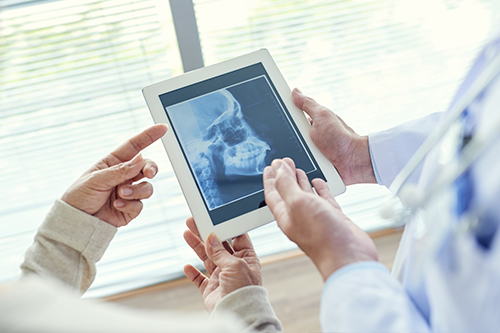
Your first appointment focuses on understanding what you want to achieve and assessing oral health to ensure Invisalign® is an appropriate option.
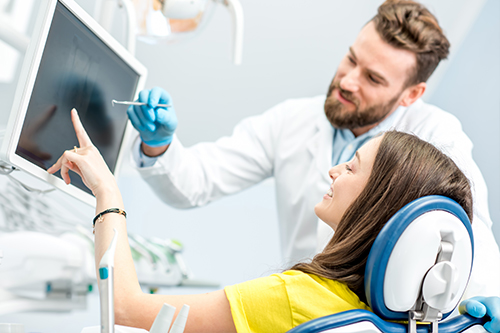
A fast, precise digital scan creates the visual plan for your treatment. This scan guides the steps your aligners will take to reshape your smile.
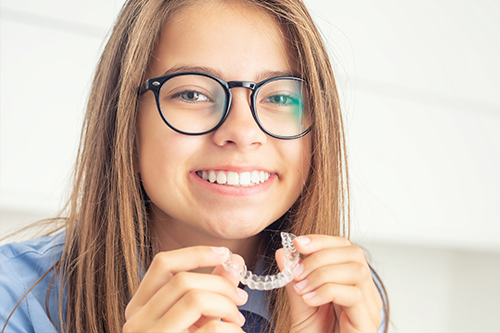
Aligners are manufactured to the specifications of your treatment plan, with features that enhance comfort and control when specific movements are needed.

From pickup to completion, regular check-ins ensure the treatment stays on track and that any necessary refinements are addressed promptly.
Watch short videos that explain the Invisalign® process, show clinical considerations, and provide helpful insights into care and maintenance.
*Invisalign® is a registered trademark of Align Technology, Inc.
Schulman Dental Studio, Franklin Lakes provides Invisalign® treatment with careful planning, modern digital tools, and attentive follow-up to help patients achieve predictable, long-lasting results. If you’d like to learn whether clear aligners are a fit for your smile, contact us for more information and to schedule a consultation.
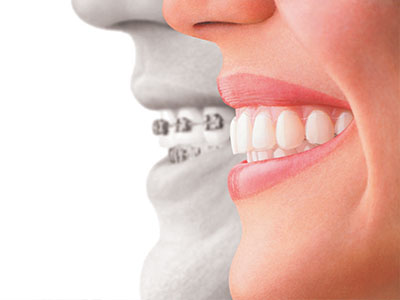
There are many options for patients who want to avoid metal braces! The most popular alternative orthodontic treatment is Invisalign®, which are clear plastic aligners designed to straighten teeth. After an examination of your teeth, your dentist will determine which option is best suited to your wants and needs.
According to the Invisalign® website, the cost for treatment is approximately the same as the cost for metal braces. A portion of this cost may be covered by your insurance. Please call us to set up a consultation and discuss potential payment plan options.
The first step is to schedule a consultation with your doctor, so they can devise a treatment plan that is best suited to your individual dental needs. Once approved, you will receive your first set of aligners. Your doctor will then regularly monitor the movement of your teeth and new aligners will be ordered according to the progress made in your treatment plan.
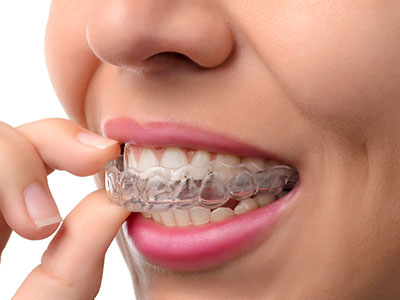
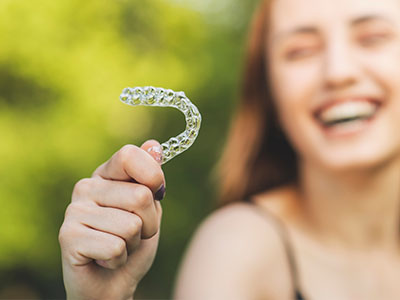
Invisalign® aligners are made of clear, flexible plastic. The company received a patent for this material – SmartTrack® – to be used exclusively for Invisalign treatment purposes. These aligners are FDA approved and nearly invisible!
Your doctor will give you an estimate regarding how long your Invisalign® treatment should take, which will depend on your specific needs. The average length of time for treatment is approximately 12-18 months. However, some patients may see results far sooner. Remember to wear your aligners exactly as instructed by your doctor to obtain the best results.
Your doctor will most likely recommend that you wear retainers following your Invisalign® treatment. This is a precaution that will prevent your teeth from shifting back to their original positioning. It is important to follow your doctor's instructions exactly to ensure long-lasting results.
You must wear your aligners for up to 22 hours daily. You may remove them for eating, drinking and regular oral hygiene.
No. Unlike braces, you may eat whatever you like as long as you remove the aligners before eating. Prior to placing the aligners back on, it is important to brush your teeth and the aligners after you eat.
Like any orthodontic treatment, there is a short adjustment period. The more you speak with the aligners on, the quicker you will adjust.
There will be some pressure and minor discomfort for a day or two after each initial insertion. This is a sign that your teeth are moving sequentially into their final position.
It is recommended that you remove your aligners prior to chewing gum as the gum will stick to the aligners.
We discourage smoking with aligners as the cigarette smoke will tend to discolor them.
Brushing them with toothpaste will keep them fresh and clean.
Regular office visits are every five to six weeks. This will ensure that your Invisalign treatment is progressing as planned.
All orthodontic patients are instructed to wear their retainers at night indefinitely. Sleeping with your retainers in at night will ensure a healthy bite and maintain the new position of your teeth.
Yes, if their teeth, including second molars, have grown in completely.
Invisalign® is a modern orthodontic system that uses a series of clear, custom-made aligners to move teeth in small, controlled steps. Each aligner is designed to apply gentle pressure to specific teeth according to a digital treatment plan. The system focuses on predictable, staged movements rather than continuous force from fixed appliances.
Unlike traditional braces, aligners are removable for short periods, which allows patients to eat and maintain oral hygiene with fewer restrictions. The aligners are less conspicuous and often easier to live with for adults and image-conscious teens. Clinical outcomes depend on proper case selection and patient adherence to the prescribed wear schedule.
Treatment begins with a consultation and a thorough clinical exam to establish goals and evaluate oral health. Digital records are captured with an intra-oral scanner or radiographs, and those images are used to create a precise, three-dimensional model of your bite. Your provider then develops a step-by-step digital treatment plan that maps each stage of tooth movement and estimates the sequence of aligners.
Once approved, aligners are fabricated to the plan and delivered in sets that are usually changed every one to two weeks according to clinical guidance. Patients are instructed on proper wear, care, and the schedule for follow-up visits to confirm progress. If adjustments are necessary, refinements or additional aligner sets can be planned based on the observed response.
Good candidates for Invisalign® typically include motivated teens and adults with mild to moderate crowding, spacing, or certain bite irregularities. Age alone is not a deciding factor; consistent wear and oral health are more important determinants of success. A clinical exam evaluates gum health, decay, and other factors that could affect tooth movement before treatment is recommended.
However, aligners may be less suitable as a standalone option for very complex movements or significant skeletal discrepancies that require surgical intervention. In complex cases, Invisalign® can still be part of a broader, coordinated treatment plan that includes auxiliaries or interdisciplinary care. Your clinician will discuss realistic expectations and whether alternatives or adjunctive treatments are indicated.
Aligners should be rinsed and gently brushed with a soft brush each time they are removed to prevent buildup and staining. Avoid hot water, abrasive cleaners, or whitening toothpastes on the aligners as these can warp or damage the material. When not in use, store aligners in their protective case to reduce the risk of loss or contamination.
Maintain twice-daily brushing and daily flossing of natural teeth before reinserting aligners to reduce the risk of decay and gum irritation. Remove aligners for eating and for any activity that could expose them to heat or harsh chemicals, then clean both teeth and trays afterward. If an aligner becomes distorted, contact your provider for guidance rather than attempting makeshift repairs.
Most patients wear aligners approximately 20–22 hours per day, removing them only for meals, oral hygiene, and brief exceptions. When starting a new set, a few days of mild pressure or temporary sensitivity are common and usually indicate that teeth are moving as planned. Speech may be briefly affected while you adapt, but most people regain normal pronunciation quickly with routine use.
Plan meals and snacks to minimize frequent removal, and carry a case and a travel hygiene kit when away from home. Avoid habits like chewing on pens or hard objects that could damage aligners, and do not sleep with them in if advised otherwise by your clinician. If you notice persistent discomfort, cracking, or fit problems, contact your provider for an evaluation.
Digital imaging and intra-oral scanning create highly accurate records that improve diagnostic precision and treatment predictability. These technologies replace messy impressions with comfortable, fast scans that capture the position of every tooth and the bite relationship. A three-dimensional treatment simulation helps clinicians plan specific movements and evaluate multiple approaches before fabricating aligners.
Throughout treatment, the digital plan serves as a reference that makes monitoring easier and supports efficient refinements when needed. Scanning at progress visits can confirm whether movements align with the plan and inform decisions about refinements or attachments. This integration of imaging and clinical oversight contributes to more predictable outcomes and a smoother patient experience.
Attachments are small, tooth-colored composite shapes bonded to selected teeth to improve the aligner’s grip and control over certain movements. They are strategically placed according to the digital plan and are removed or polished when no longer needed. Attachments are designed to be discreet, and patients typically adapt to their presence within days.
In some cases, auxiliaries such as elastics, temporary anchorage devices, or interproximal reduction may be recommended to achieve specific corrections. Elastics can help adjust bite relationships, while interproximal reduction creates space for alignment in crowded situations. Your provider will explain any recommended adjunctive measures and demonstrate how to use them safely and effectively.
Follow-up visits are scheduled to verify fit, assess tooth movement, and address questions about care and wear. These appointments are typically brief but provide important checkpoints to confirm that treatment is progressing as planned. If teeth are not tracking with the digital roadmap, the clinician can plan refinements or modify timing to keep outcomes predictable.
Good communication between patient and provider helps identify issues early, such as lost aligners, unexpected discomfort, or hygiene concerns. Documenting progress with periodic scans or photos supports objective decision-making and reduces unnecessary delays. Prompt attention to small problems helps avoid larger setbacks and supports a timely, stable result.
Retention starts immediately after the active phase to preserve the new tooth positions and minimize relapse. Removable retainers or bonded fixed retainers are selected based on the case, patient preferences, and long-term stability considerations. Your clinician will recommend a retention schedule that balances practicality with the need for maintenance.
Wearing retainers as directed, especially during the initial months, is the most reliable way to protect the investment of time and effort during treatment. Periodic check-ins allow the practice to monitor retention, make adjustments, and replace retainers when wear or fit changes. Long-term follow-up supports lasting results and helps identify when additional measures are needed to maintain alignment.
To schedule a consultation, contact the practice to request an evaluation and to describe your concerns and goals. During the appointment, the clinician will review dental history, perform an exam, and capture digital records to assess candidacy. The visit typically includes a discussion of expected timelines, necessary adjunctive procedures, and the role of retention after treatment.
Bring any previous dental records or images that may help the clinician evaluate your case efficiently and ensure coordination with other providers when needed. At Schulman Dental Studio, Franklin Lakes, the practice uses digital scanning and detailed planning to create a personalized treatment roadmap tailored to your smile. After the consultation, you will have a clear understanding of the recommended approach and the next steps to begin care.