Existing Patients:
(201) 891-5888
New Patients:
(201) 258-3284


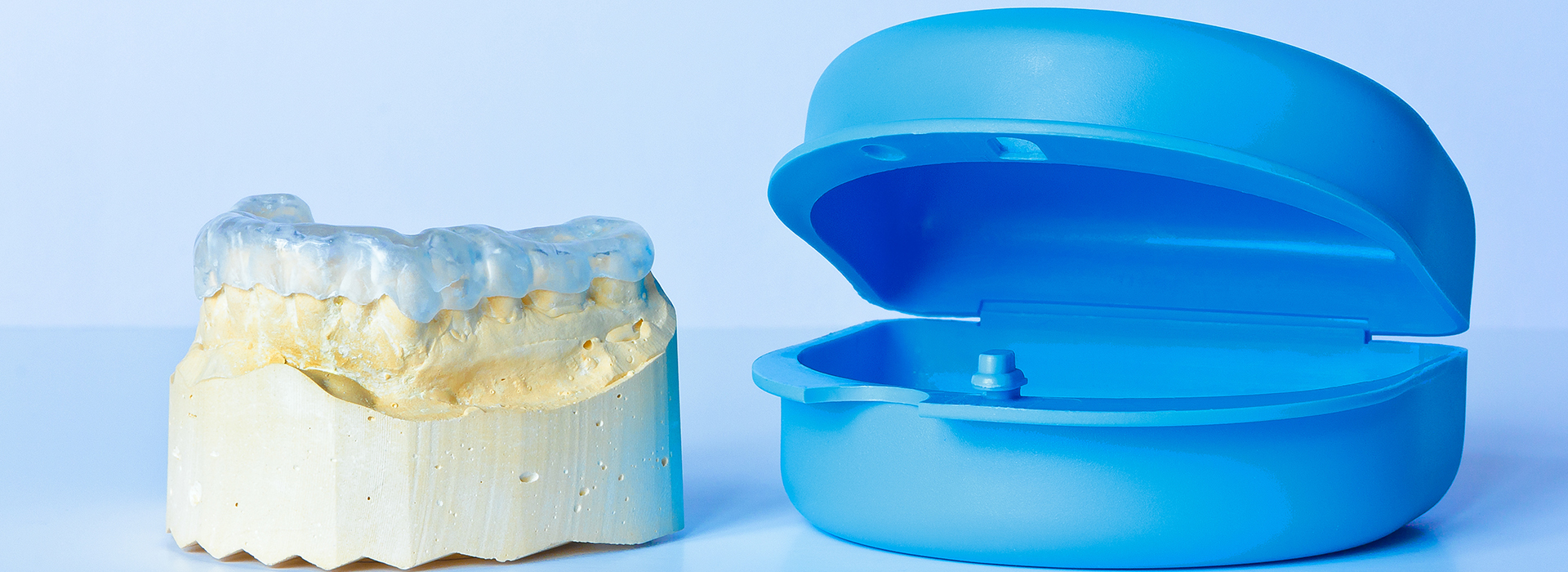
Bruxism is involuntary clenching or grinding of the teeth, most often during sleep. It can lead to jaw soreness, headaches, tooth sensitivity, and progressive tooth wear.
Stress, sleep disorders, bite problems, and certain medications can all contribute, which is why many people don’t realize they grind until damage is noticed.
A night guard creates a protective barrier between the upper and lower teeth, preventing damage from grinding and clenching.
It also reduces strain on the jaw muscles and joints, helping relieve morning tension and protecting crowns, veneers, and fillings.
Night guards are recommended for patients with worn enamel, chipped teeth, jaw pain, frequent headaches, or diagnosed bruxism.
They are especially important for anyone with dental restorations or heavy bite forces that increase the risk of damage.
Your dentist evaluates your bite and symptoms, then takes impressions or digital scans to create a custom-fit appliance.
Once made, the guard is fitted and adjusted for comfort and proper force distribution.
Rinse and brush it daily with cool water and a soft toothbrush. Store it in its case and avoid heat.
Over time, guards wear down and may need replacement. Regular checkups help ensure continued protection.
If you wake with jaw pain, headaches, or signs of tooth wear, a custom night guard may help. Contact Schulman Dental Studio, Franklin Lakes to learn more.
Bruxism is the clinical term for involuntary clenching and grinding of the teeth that commonly occurs during sleep. Persistent grinding applies repeated pressure to tooth enamel, restorations, jaw muscles, and the temporomandibular joint, which can lead to visible wear and structural damage. Over time, untreated bruxism may cause increased tooth sensitivity, chipping, cracks, and changes in the bite.
Many people do not realize they grind because symptoms often develop gradually or occur only at night. Typical warning signs include morning jaw soreness, frequent headaches, and reports of grinding sounds by a sleep partner. Early recognition and dental evaluation help protect long-term oral health and reduce the likelihood of TMJ complications.
A night guard is a removable dental appliance worn during sleep that creates a resilient barrier between the upper and lower teeth to prevent direct tooth-to-tooth contact. By redistributing biting forces, the guard reduces stress on individual teeth and restorations and helps prevent chipping, fractures, and progressive enamel loss. The appliance also supports a slightly separated jaw position that can decrease muscle tension and lessen morning jaw pain and headaches.
Night guards come in different materials and designs to match the wear pattern and intensity of a patient's grinding. A properly fitted guard minimizes interference with normal jaw movement while providing targeted protection. When used as part of a comprehensive plan, a night guard is an effective conservative measure to preserve dental structure and improve comfort.
A custom night guard is recommended for patients who show signs of enamel wear, unexplained tooth sensitivity, loose or cracked restorations, or frequent jaw pain and headaches that suggest nocturnal muscle overactivity. It is also appropriate for anyone who has been diagnosed with bruxism by a dentist or sleep specialist or who has been told by a partner they grind loudly at night. Patients with dental work such as crowns, bridges, veneers, or implants often benefit because the guard helps protect those investments from excessive force.
Other considerations include bite problems or dental misalignment that focus force on a few teeth and contribute to localized damage. A dental exam can identify patterns of wear and determine whether a guard is a suitable first-line therapy. In some cases, the guard is combined with occlusal adjustments, muscle therapy, or referral for sleep evaluation when an underlying sleep disorder is suspected.
Custom night guards are fabricated from precise impressions or digital scans of your teeth, giving a tailored fit that distributes forces evenly and reduces movement during sleep. Over-the-counter options are generic, may not seat accurately, and can create new pressure points or an unstable bite that worsens symptoms for some patients. Custom appliances are made from materials chosen for your specific grinding pattern, which improves comfort and longevity compared with one-size-fits-all devices.
Because a custom guard is adjusted and evaluated by a dentist, it can be refined to address fit, muscle comfort, and occlusal balance. Professional fabrication also allows selection of hard or soft materials based on the intensity of grinding and the presence of restorations. For moderate to severe bruxism, custom appliances are generally more protective and better tolerated for nightly wear.
Night guards are typically categorized by material and stiffness: soft thermoplastic guards, semi-rigid dual-laminate guards, and hard acrylic guards. Soft guards are often more comfortable for mild grinding or clenching, while hard acrylic guards provide greater durability and are preferred for heavy grinders and to protect dental restorations. Dual-laminate designs combine a soft interior for comfort with a firmer exterior for added resistance to wear.
The best choice depends on the intensity and pattern of grinding, whether you have restorations, and your comfort preferences. Your dentist will evaluate wear patterns, jaw function, and bite relationships to recommend the most appropriate material and design. A custom-fitting appointment and subsequent adjustments ensure the chosen guard achieves the intended protection and comfort.
The process begins with a clinical evaluation that reviews your dental history, examines tooth wear and restorations, and assesses jaw movement and the temporomandibular joint. If a night guard is indicated, the dentist will take precise impressions or a digital intra-oral scan to capture the exact contours of your teeth and bite relationship. The records are then used to fabricate a custom appliance in a dental laboratory or in-office milling process using materials suited to your needs.
When the finished appliance returns, you will have a fitting appointment where the dentist checks fit, comfort, and occlusion, making minor adjustments as needed. You may be advised on a short adaptation period and given instructions for nightly wear and care. At Schulman Dental Studio, Franklin Lakes the team schedules follow-up visits to monitor performance and to refine the fit if symptoms persist.
Rinse the night guard with cool water after each use and gently brush it with a soft toothbrush to remove saliva and debris; avoid hot water, which can distort the material. Periodic cleaning with a non-abrasive, denture-safe cleanser helps remove buildup without damaging the surface, and soaking products designed for dental appliances can be used intermittently according to manufacturer instructions. Always store the guard in its protective case when not in use to prevent warping and contamination.
Inspect the appliance regularly for signs of wear, cracks, or persistent odors that do not respond to cleaning, and bring concerns to your dentist promptly. Routine dental appointments should include an evaluation of the guard along with the teeth and restorations to ensure the appliance continues to perform as intended. Proper care and timely maintenance extend the life of the guard and help protect your oral health.
Longevity varies with the material and the intensity of grinding; soft guards may wear faster while hard acrylic guards can last several years with good care. Indicators that replacement is needed include visible wear patterns, deep grooves, cracks, a loose or uncomfortable fit, or new areas of tooth contact. If the guard no longer provides the original protection or if symptoms such as morning soreness return, an evaluation is warranted.
Regular dental check-ups allow the dentist to monitor both the guard and the condition of your teeth and restorations. When replacement is recommended, the dentist will review the best material and design based on any changes in your bite or grinding behavior. Timely replacement prevents further tooth damage and maintains the therapeutic benefits of the appliance.
Yes, a properly fitted night guard can help protect dental restorations by reducing the excessive forces that contribute to fractures, debonding, and accelerated wear. Restorations such as crowns, bridges, and veneers are vulnerable to concentrated grinding forces, and implants may transmit those forces differently than natural teeth, so a protective appliance is often recommended. A custom guard is designed to distribute pressure more evenly and minimize destructive contacts during sleep.
Your dentist will consider the type and location of restorations when selecting materials and designing the guard to ensure balanced occlusion and adequate protection. Periodic evaluation ensures the appliance continues to shield restorations effectively and that no new issues have emerged. If adjustments to restorations are needed, the guard can be modified or remade to maintain protection and comfort.
Seek further evaluation if you experience persistent morning headaches, worsening jaw pain, progressive tooth damage despite wearing a guard, or if a partner reports loud grinding or choking sounds during sleep. These signs can suggest severe bruxism or an underlying sleep disorder such as obstructive sleep apnea, which may require coordinated care with a sleep specialist. Ongoing or worsening symptoms warrant a comprehensive assessment to identify contributing medical or sleep-related factors.
Your dentist may recommend additional testing, collaboration with a physician or sleep specialist, or adjunctive therapies such as occlusal adjustments, physical therapy, or discreet sleep studies. Addressing underlying causes in combination with a night guard improves long-term outcomes and reduces the risk of further dental and joint complications. Prompt evaluation helps tailor a treatment plan that protects your oral and overall health.