Existing Patients:
(201) 891-5888
New Patients:
(201) 258-3284



At Schulman Dental Studio, Franklin Lakes, we focus on helping children build healthy, confident smiles from the very beginning. Our pediatric care blends prevention, education, and a gentle, kid-friendly approach so families can feel supported at every stage.
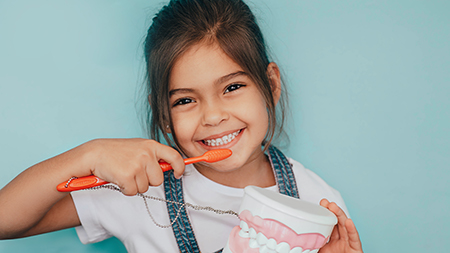
Early visits help children learn proper brushing, flossing, and healthy routines while allowing us to monitor growth and prevent problems before they start.
We focus on comfort and positive experiences so kids feel relaxed and confident about dental care.
Each visit includes an exam of the teeth, gums, bite, and jaw development. When needed, digital x-rays help us track growth and detect early decay.
Gentle cleanings remove plaque and reinforce good brushing and flossing habits at home.
We help families reduce cavities through fluoride, sealants, and practical guidance on brushing, snacking, and sugary drinks.
We also provide support for habits like thumb-sucking and pacifier use when they begin to affect development.
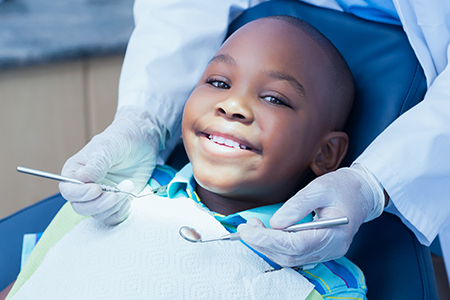
We monitor how teeth and jaws develop so spacing, eruption, and bite concerns can be addressed early.
Protecting baby teeth supports speech, confidence, and healthy permanent tooth development.
Nutrition, sports safety, and daily habits all affect your child’s smile. We offer guidance on healthy eating and recommend mouthguards when needed.
If your child experiences pain, injury, or a broken or knocked-out tooth, prompt care helps prevent complications and relieve discomfort.
We work closely with parents to provide personalized, age-appropriate care that supports lifelong dental health.
To learn more or schedule a visit, contact Schulman Dental Studio, Franklin Lakes today.
A pedodontist is a dentist who has received advanced specialty training in meeting the dental needs of children from infancy to adolescence. Pedodontists, also referred to as "pediatric dentists," study child psychology, behavior management, caring for children with special needs, methods of handling oral/facial trauma, and various techniques for providing anesthesia and sedation. Pedodontists also understand the complexities of facial growth and development and have the clinical skills required to meet the dental needs of all children at every stage of development. Most of all, pedodontists are passionate about what they do and enjoy working with children. They strive to make every dental experience a positive one as they help children establish a strong foundation for good oral health.
Even before your child is born, their first set of teeth is already forming. In fact, by one year of age, some of your baby's front teeth will have already come into place. While the arrival of your baby's first teeth is only one of many developmental milestones, it represents an excellent time to begin a program of oral care. According to recommendations from the American Dental Association, babies should see the dentist around the time of their first birthdays.
Your baby's first teeth typically begin to appear in the 6 to 12-month range. While this is an extraordinary milestone, you need to be aware that your baby may find the experience a little bit uncomfortable. Teething can make babies feel irritable. They may be fussy, have trouble sleeping, not want to eat, and drool quite a bit.
Although you are powerless to speed up the process of teething, there are a few things that you can do to soothe your baby as the new teeth are erupting into place. Common approaches to helping your baby feel more comfortable while getting new teeth, include teething rings or a cold spoon or moist gauze rubbed over their gums.
Even for these few new teeth, it's absolutely essential to establish an effective regimen of oral care. For information on when your baby's first set of teeth will erupt into place, consult this timeline from the American Dental Association: Eruption Charts
Some children persist in sucking their thumbs or fingers beyond their preschool years. For these children, the activity continues to be a source of comfort, relaxation, and security. It may even help them fall asleep at night. However, it's essential to be aware that in the long-term, a finger sucking habit is not healthy.
If your child's thumb or finger sucking habit is still present when the permanent teeth begin to come in, your child is at a higher risk of developing a bad bite. By the age of five or six years, you need to constructively and gently help your child stop the habit.
It's also a good idea to have a comprehensive evaluation at this time. Your pedodontist can assess if there are any habit related alterations to the alignment of your child's teeth or jaws, or if it is affecting their speech or swallowing patterns. They can also discuss habit control strategies with you, as well as follow your child's bite and facial development as they grow. If interceptive appliances or corrective orthodontic care are recommended, the timetable and best options in care will be explained in complete detail.
We recommend a child's first dental visit by their first birthday or within six months of the first tooth's appearance. Early visits allow clinicians to identify developmental issues, spot early decay, and set a baseline for growth. They also give parents hands-on guidance for daily care and help children become comfortable with the dental setting.
The initial appointment is brief and focused: a gentle exam, a review of medical history, and discussion of feeding and home care habits. We demonstrate brushing for infants and answer questions about pacifiers, teething, and fluoride use. At the office of Schulman Dental Studio, Franklin Lakes we prioritize a low-stress introduction that emphasizes prevention and education.
A routine pediatric checkup includes an update of medical history, a visual exam of the teeth and gums, and assessment of jaw and bite development. Clinicians look for early signs of decay, check for proper eruption patterns, and evaluate oral habits that could affect growth. When appropriate, we use digital imaging to gather more detail while minimizing exposure.
Hygiene sessions focus on plaque removal and on teaching brushing and flossing techniques that match a child's age and motor skills. Preventive measures such as topical fluoride or sealants are discussed when indicated and scheduled as needed. We also create individualized recall intervals so visits support each child's risk profile and developmental stage.
Daily brushing with an age-appropriate fluoride toothpaste and supervised flossing once teeth contact are foundational to cavity prevention. Parents should use a smear or pea-sized amount of fluoride toothpaste according to pediatric guidelines and help with cleaning until a child can brush effectively alone. Regular dental visits allow clinicians to monitor risk and reinforce proper technique.
Limiting frequent sugary snacks and drinks, offering water between meals, and establishing defined snack times reduce the number of acid attacks on enamel. When a child has higher decay risk, clinicians may recommend topical fluoride varnish or sealants to protect vulnerable surfaces. Behavioral strategies such as phasing out bottles at bedtime and managing prolonged overnight feedings are also important.
Topical fluoride varnish is a safe, evidence-based therapy that strengthens enamel and helps prevent decay when used appropriately. Applied in small amounts during routine visits, fluoride varnish is especially effective for young children and those at increased risk. We follow professional guidelines to determine frequency based on individual risk.
Dental sealants are a minimally invasive protective coating placed on the chewing surfaces of permanent molars to block bacteria and food particles. Sealants are typically recommended when molars erupt and are most effective when applied to clean, dry tooth surfaces. We evaluate each child's bite and cavity risk to decide when sealants will provide the most benefit.
Before teeth appear, clean a baby's gums with a soft, damp cloth after feedings to remove bacteria and establish a routine. Once teeth erupt, begin brushing twice daily with a soft-bristled brush and a smear of fluoride toothpaste. Early care supports healthy eruption, reduces bacterial buildup, and fosters familiarity with oral hygiene.
Teething can cause fussiness and drooling; safe comfort measures include chilled teething rings, gentle gum massage, and extra cuddling. Avoid using topical medications or products that are not recommended for infants, and discuss any persistent symptoms with your child's clinician. If you have concerns about fever, prolonged discomfort, or unusual symptoms, a dental evaluation can help rule out other causes.
Thumb-sucking and pacifier use are common soothing behaviors in early childhood and usually do not harm dental development when they stop by preschool age. Concerns arise when these habits persist past ages three to four or begin to affect the bite and tooth position. Monitoring growth and discussing changes during routine visits helps determine whether intervention is needed.
Gentle behavior-focused strategies — praise, gradual limits, and substitution with positive rewards — often help children wean without stress. If a habit persists and affects tooth alignment, the dental team can recommend additional techniques or refer to a specialist for further evaluation. Collaborative planning with families ensures approaches fit each child's developmental readiness.
A balanced diet supports strong teeth and healthy gums; foods rich in calcium, phosphorus, and vitamin D help maintain enamel and bone. Frequent consumption of sugary or sticky foods increases decay risk because it prolongs acid exposure on tooth surfaces. Encouraging whole foods, fresh produce, and snacks that require chewing also stimulates saliva and helps clear debris.
Promoting water as the main between-meal beverage and limiting juice and sweetened drinks can reduce cariogenic exposure. For infants and toddlers, avoid putting a child to bed with a bottle or sippy cup containing anything but water to prevent overnight decay. We offer practical, age-appropriate nutrition guidance during visits to help families make sustainable choices.
For a knocked-out permanent tooth, time is critical: find the tooth, handle it by the crown, rinse gently if dirty, and seek immediate dental care for possible replantation. If replantation is not possible immediately, storing the tooth in milk, saline, or the child's saliva can preserve cells until evaluation. Primary (baby) teeth are handled differently; do not attempt to reinsert a knocked-out primary tooth and consult the dental team promptly.
For fractures, bleeding, or severe pain, control bleeding with gentle pressure, save any fragments if possible, and contact the dental office for urgent assessment. Prompt professional care focuses on stabilizing the injury, managing pain, and planning any necessary repair or follow-up. Clear, step-by-step advice at the time of injury helps families respond effectively and improves outcomes.
An initial orthodontic screening is recommended by age 7 to identify developing bite issues, jaw discrepancies, or early crowding that may benefit from monitoring. At this stage, only a few children require active intervention, but early identification allows for simpler, more effective approaches when needed. Regular dental visits let clinicians track growth and coordinate care with orthodontic specialists.
When early treatment is indicated, it is usually targeted and focused on guiding jaw growth or preserving space, rather than comprehensive braces for young children. Collaborative care planning between general dentists and orthodontists ensures timing and methods match each child's unique development. Parents are kept informed about expected milestones and the signs that warrant referral or re-evaluation.
Creating a calm, child-centered environment is central to pediatric dentistry; clinicians use simple language, demonstration, and positive reinforcement to build trust. Techniques such as the tell-show-do method, short appointments, and staff trained in pediatric behavior guidance reduce fear and improve cooperation. We also adapt treatment sequences to a child's comfort level so care progresses at a pace they can tolerate.
For children with high anxiety or special needs, additional comfort options may be considered after a careful medical review and explanation of risks and benefits. At Schulman Dental Studio, Franklin Lakes we offer nitrous oxide for mild to moderate anxiety and in-office general anesthesia for selected cases under strict safety protocols and monitoring. Decisions about sedation are individualized and always involve parental consent and clear pre- and post-care instructions.