Existing Patients:
(201) 891-5888
New Patients:
(201) 258-3284
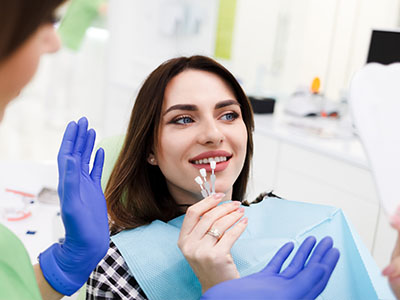
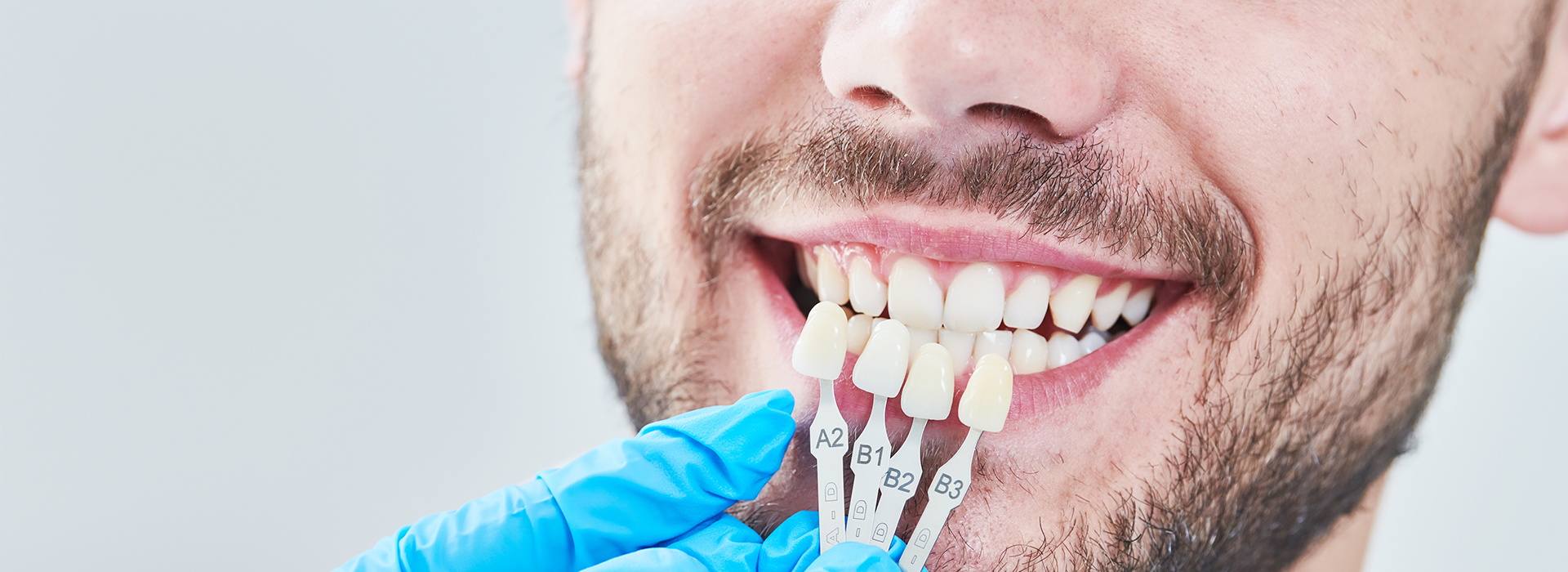
Porcelain veneers are a conservative, effective way to enhance a smile by correcting discoloration, chips, small gaps, and minor shape concerns. At Schulman Dental Studio, Franklin Lakes, we focus on natural-looking results that complement your facial features and lifestyle.
Veneers are thin porcelain shells bonded to the front of teeth to improve color, shape, and symmetry. They mimic natural enamel while requiring far less tooth reduction than crowns, making them a durable and tooth-preserving cosmetic option.
Using digital scans and detailed planning, veneers are custom crafted by dental laboratories to match your smile’s proportions, shade, and translucency. Advanced ceramics resist staining and blend seamlessly with surrounding teeth.
After confirming healthy gums and teeth, a small amount of enamel is shaped to allow room for the veneers. Temporary veneers are worn while the final set is created. At delivery, fit, shade, and bite are checked before the veneers are securely bonded.
Veneers are cared for like natural teeth—regular brushing, flossing, and dental visits keep them looking their best. Avoiding habits like biting hard objects and using a nightguard if you grind your teeth helps extend their lifespan.
Veneers are ideal for patients who want noticeable cosmetic improvement without extensive dental work. Other options such as whitening, bonding, or orthodontics may be better in some cases, and we’ll review all choices with you.
To find out if veneers fit your smile goals, contact Schulman Dental Studio, Franklin Lakes to schedule a consultation.
Determining if a veneer is suitable or a full-coverage crown is required depends on the extent of the tooth's defects and the remaining amount of healthy tooth structure. For teeth with imperfections that cannot be remedied with a teeth whitening procedure, dental veneers often provide the desired cosmetic improvements. However, a significantly undersized, misshapen, chipped, or darkly stained tooth usually requires a full coverage crown.
Porcelain veneers are fabricated from the highest grade of dental ceramics, which reflect light in much the same way as the enamel of natural teeth. In addition to this feature, dental porcelain is resistant to stains and discolorations, keeping your smile white and vibrant for years to come.
Porcelain veneers are ultra-thin customized facings that become strong and durable once bonded to the underlying teeth. With proper hygiene and routine dental care, veneers provide a cosmetic solution that not only looks and feels completely natural but is also long lasting.
However, just as harmful oral habits can affect your natural teeth, they can also cause damage to your veneers. To prevent chipping, cracking, or dislodging a veneer, avoid nail biting, chewing on hard candies, ice, pens, or pencils, and opening bottles or other objects with your teeth. Also, remember to protect your smile on the playing field by wearing a properly fitted sports mouthguard.
Tooth grinding or bruxism is another important consideration in care. If you clench or grind your teeth, you may need to wear a night guard to help protect your new smile or discuss other options with our office.
As versatile as they are beautiful, dental veneers can be applied to a single tooth in need of cosmetic improvement or multiple front teeth to dramatically improve the look of your smile. Whatever the case may be, dental veneers provide highly satisfying results to create a smile; you'll feel confident sharing with the world.
Among the many benefits offered by dental veneers is their ability to mask a range of imperfections at once. In addition to covering stains or discolorations on the front surface of a tooth, the size and shape of a veneer can also be customize to improve the tooth's contours and dimensions. At the same time veneers create a whiter and more vibrant smile; they can also lengthen or widen a tooth, close minor gaps, and address other minor alignment issues.
The two most common types of veneers are porcelain veneers, also known as porcelain laminates, and composite veneers. Although porcelain veneers are the most commonly offered option in care, composite veneers fabricated directly on the tooth can also achieve excellent results. You may have also heard the term no-prep veneer. It refers to a type of porcelain veneer that requires little to no preparation of the underlying dental enamel. At your consultation visit, we'll discuss your best options in care.
Once they're in place, your veneers are also easy to care for and maintain. Simply by brushing, flossing, and visiting our office for periodic checkups, you can successfully protect and preserve your new and beautiful smile.
Although certain procedures that are considered cosmetic may not be covered by dental insurance, veneers remain a worthwhile investment in your smile. Based on the unique considerations of each case, we develop treatment plans that consider specific dental needs, cosmetic goals, and budget. Our experienced and friendly office staff can address all your insurance questions and review various payment and financing options.
At the office of Schulman Dental Studio, Franklin Lakes, we value patient input and pay close attention to your treatment goals, concerns, and expectations in care. When it comes to cosmetic dentistry, we recognize that every smile is unique and never take a “one size fits all” approach to care. We utilize the most advanced diagnostic technology and treatment methods to assess your smile and to design your porcelain veneers for a precise fit and optimal aesthetics.
As experienced providers of care, we provide highly personalized treatment, combining state-of-the-art technology with an artistic touch to produce long-lasting and aesthetically pleasing results of care.
Dental veneers are thin shells, typically made of porcelain or composite resin, that are bonded to the front surfaces of teeth to improve their appearance. They are designed to correct discoloration, chips, minor gaps, and subtle shape or size concerns while preserving as much healthy tooth structure as possible. Because veneers cover only the visible portion of the tooth, they provide a focused cosmetic solution without the bulk of full-coverage restorations.
The bonding process secures the veneer to enamel using a resin cement and specialized techniques that create a strong, durable union. When properly planned and placed, veneers mimic the light-reflecting properties of natural enamel and blend with adjacent teeth in color and translucency. Routine dental care helps maintain the integrity of the bond and the health of the underlying tooth and gums.
Porcelain veneers are fabricated in a dental laboratory from ceramic materials that closely replicate enamel's optical qualities, while composite veneers are built directly on the tooth using resin that is sculpted and polished chairside. Porcelain offers greater resistance to staining and can achieve more lifelike translucency, whereas composite allows for faster treatment and easier intraoral repairs. Both options can produce natural-looking results, but they differ in longevity, technique, and how they respond to wear.
The choice between the two depends on the clinical goals, the extent of the correction needed, and the patient's preferences regarding treatment time and maintenance. A careful evaluation of the tooth structure, bite forces, and aesthetic objectives helps determine which material is most appropriate. Your dentist will explain the benefits and limitations of each option so you can make an informed decision that balances appearance with long-term oral health.
Good candidates for veneers are patients with healthy gums and stable tooth structure who want to address cosmetic concerns such as persistent discoloration, small chips, uneven edges, or minor gaps and alignment issues. Patients with extensive decay, active gum disease, or significant bite problems may require restorative or periodontal treatment before veneers are considered. A comprehensive clinical exam is essential to confirm that teeth and supporting tissues can reliably support veneers.
Age and general health are less important than the condition of the individual teeth and bite function when determining candidacy. People who grind or clench should discuss protective measures, such as a nightguard, to reduce the risk of veneer damage. Ultimately, candidacy is established through a collaborative consultation that aligns aesthetic goals with realistic, healthy outcomes.
Veneer design begins with a detailed consultation that includes shade selection, smile analysis, and digital or physical impressions to map tooth contours and bite relationships. Modern practices often use intra-oral scanners to capture three-dimensional models that improve communication with the dental laboratory and allow for precise planning. The laboratory then fabricates custom veneers that match the agreed-upon shape, thickness, and translucency to achieve a natural appearance.
Skilled ceramists layer and tint porcelain to reproduce subtle variations in color and light transmission, preventing a flat or monochrome look. Temporary facings may be placed while the permanent veneers are made so patients can evaluate aesthetics and comfort during the interim. Final adjustments happen chairside to confirm fit, symmetry, and occlusion before the veneers are permanently bonded.
The veneer process typically involves an initial consultation and preparatory work to address any decay or gum issues, followed by conservative tooth preparation to create space for the veneers. Preparation is usually minimal and focused on enamel removal to ensure a natural contour and secure bonding surface; local anesthetic is used when needed to maximize comfort. Impressions or digital scans are taken, temporary veneers may be placed, and the patient returns for final bonding once the laboratory restorations are complete.
After placement, patients can expect some sensitivity for a short period as the teeth adjust to the new restorations, and the dentist will provide post-operative instructions to protect the margins and maintain bite stability. A follow-up visit confirms the health of the gingival tissues and the stability of the bond, and routine dental check-ups and cleanings help preserve the veneers and underlying teeth. If any minor refinements are needed, they are usually handled chairside during the follow-up.
Veneers require the same daily care as natural teeth: brush twice a day with a nonabrasive toothpaste, floss daily, and maintain regular professional cleanings and exams to monitor margins and overall oral health. Porcelain resists staining better than enamel, but avoiding excessive consumption of staining substances and practicing good hygiene will help maintain brightness. Professional cleanings also allow the dentist to detect early issues with the margin or bonding before they progress.
Patients should avoid habits that place excessive force on veneers, such as chewing hard objects, opening packages with teeth, or biting nails, because these actions can chip or dislodge restorations. People who clench or grind benefit from a custom nightguard to protect veneers and natural dentition from excessive wear. Discussing lifestyle factors with your dentist allows for personalized maintenance strategies that preserve both function and appearance.
Porcelain veneers cannot be whitened with traditional tooth whitening methods because the ceramic material does not respond to bleaching agents the way natural enamel does. If a patient desires a lighter overall appearance, whitening natural teeth before veneer fabrication is recommended so the veneer color can be matched appropriately. For existing veneers, color changes typically require replacement or direct surface adjustments rather than bleaching.
Minor cosmetic refinements, such as reshaping or polishing, can sometimes be done chairside to adjust the appearance of a veneer, but substantive color or design changes usually involve fabricating a new restoration. Thorough planning during the design phase, including shade selection and digital previews, reduces the likelihood of needing significant alterations after bonding. Discussing long-term aesthetic goals with your dentist helps ensure the chosen solution aligns with future expectations.
When veneers are planned with careful attention to color, translucency, tooth proportions, and facial harmony, they can look highly natural and integrate seamlessly with surrounding teeth. Digital smile design and mock-ups allow patients to preview changes in length, width, and curvature so the final result complements facial features and smile dynamics. Skilled shade selection and layered porcelain techniques recreate the subtle variations that make natural teeth appear lifelike.
Balance between the veneers and adjacent teeth is essential; in some cases, minor adjustments to neighboring restorations or teeth may be recommended to achieve optimal symmetry. The goal is a harmonious outcome that enhances the smile without appearing artificial. Ongoing communication between the patient, dentist, and laboratory technician ensures aesthetics are tailored to the individual's face and lifestyle.
Veneers are generally considered a semi-permanent restorative option because conservative enamel removal is often required to create space and ensure proper bonding, which makes the procedure not fully reversible in most cases. That said, the conservative nature of veneer preparation preserves more natural tooth structure than full-coverage crowns, and when care is taken, the underlying tooth can remain healthy for many years. Good oral hygiene and regular dental oversight are critical to protecting both the veneer margins and the supporting tooth structure.
If a veneer becomes compromised or replacement is needed, the existing laboratory records and planning data typically simplify the process of renewing the restoration. Maintaining healthy gums and addressing any functional issues, such as bite misalignment or bruxism, reduces the risk of complications. A thoughtful treatment plan prioritizes tooth preservation while achieving the desired aesthetic improvements.
Deciding among veneers, whitening, composite bonding, or orthodontics depends on the specific nature of the cosmetic concern, the condition of the teeth, and the patient's goals for durability and appearance. Whitening effectively addresses generalized stains but does not change tooth shape or alignment, while bonding can correct small defects with a more conservative and quicker approach. Orthodontics addresses significant alignment and bite issues and may be advised when tooth position or occlusion requires correction for long-term stability.
During a consultation at Schulman Dental Studio, Franklin Lakes, the dentist will review your oral health, aesthetic priorities, and functional needs to recommend the most appropriate treatment pathway. A personalized plan often combines approaches—for example, whitening before veneer placement or orthodontics followed by conservative restorations—to achieve the best long-term outcome. Open discussion about expectations and clinical findings ensures you select an option that balances appearance with oral health.